Choosing the Right Pool Pumps for Your Pool Size
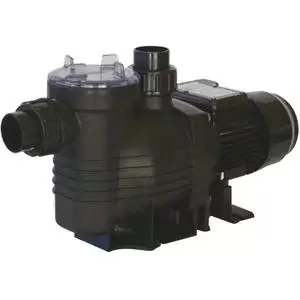
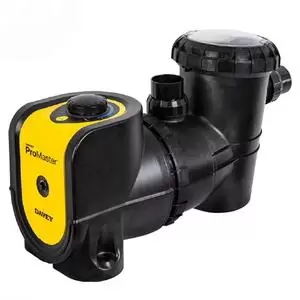
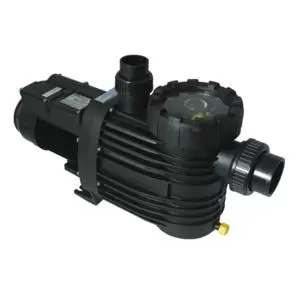
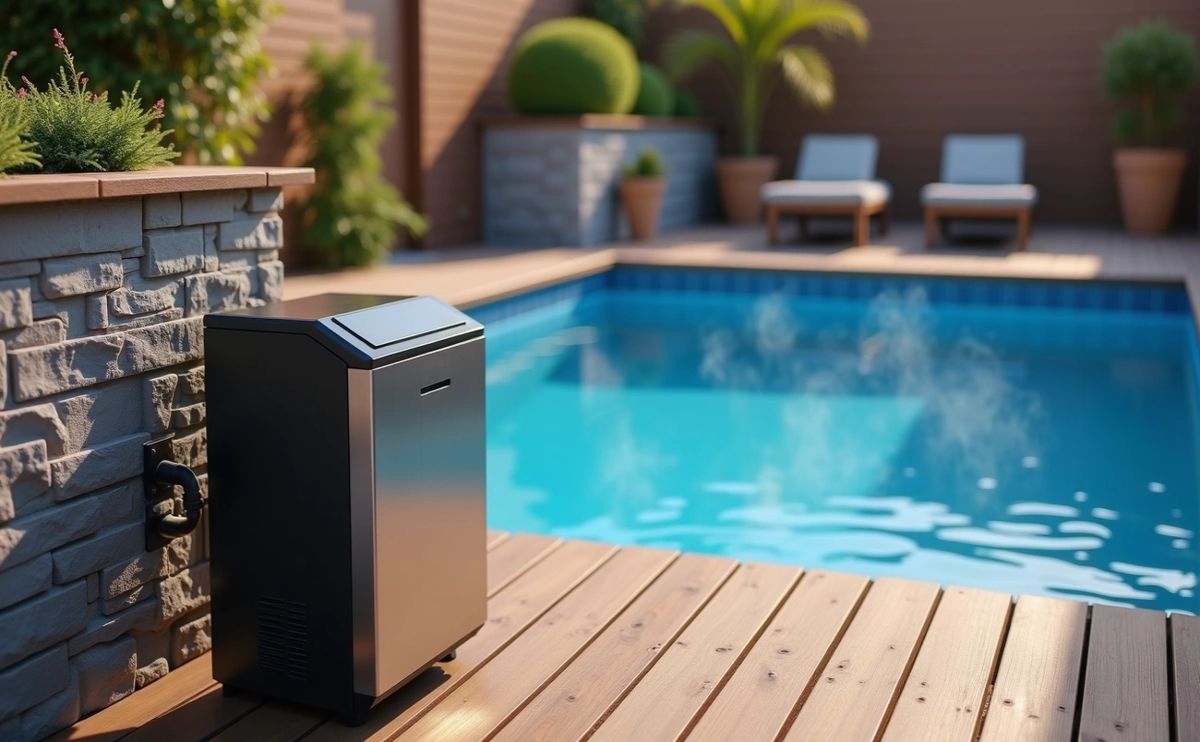
The best pump for your pool depends on pool volume, plumbing setup, filtration requirements and how often the pool is used. A pump that is too small may struggle to circulate water properly, while an oversized model can increase power bills and create unnecessary wear on your system.
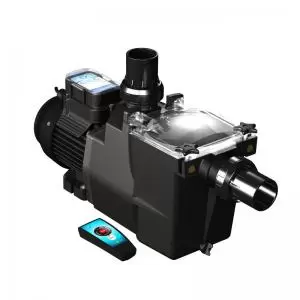
Many homeowners upgrading older systems now choose a variable speed option because it allows lower-speed daily operation with quieter performance and lower electricity use. If reducing running costs is a priority, an energy efficient pool pump can be a smart long-term investment.
When comparing options, it helps to consider:
- Pool size and turnover requirements
- Existing plumbing compatibility
- Noise levels near entertaining areas
- Filtration system compatibility
- Expected daily running time
Replacement Options for Popular Swimming Pool Pumps
Replacing an existing unit is often easier when matching the plumbing layout, power requirements and flow rate of your current setup. Many buyers search by brand first to simplify installation and avoid unnecessary plumbing changes.
Popular replacement and upgrade options include:
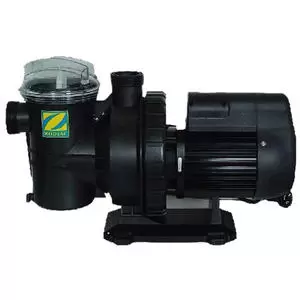
- Zodiac pool pump
- Waterco pool pump
- Speck pumps
- Davey pool pump
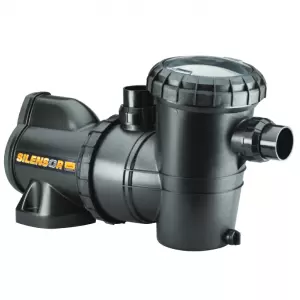
- Davey Silensor pool pumps
- Hurlcon pool pump
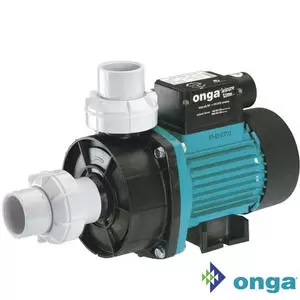
- Onga pumps
- Poolrite pumps
If you are unsure which replacement model suits your setup, checking horsepower, pipe sizing and filter compatibility can help narrow down the right option before installation.
Why Variable Speed Pumps Are Becoming the Preferred Upgrade
Older single-speed pumps often use more electricity than necessary because they run at full power all day. Variable speed models allow you to adjust flow rates for everyday filtration, vacuuming and peak summer usage without wasting energy.
Many pool owners also prefer these systems because they are:
- Quieter during normal operation
- Cheaper to run over time
- Better suited to modern filtration systems
- Easier on pool equipment due to reduced pressure
For households running pumps daily through warmer months, upgrading can make ongoing pool ownership more manageable and cost-effective.
 1800 100 417