Choosing the Right Pool Liner for Your Pool
Not all liners fit the same way, so it’s important to match the liner style to your existing pool structure and wall height. Many homeowners replacing older liners are looking for a cleaner fit, stronger material and simpler installation process without overspending.
Most above ground pool liners are available in overlap, beaded or expandable styles depending on your pool shape and frame. Before ordering, check:
- Pool diameter or length and width
- Wall height
- Liner attachment type
- Whether your pool is round, oval or rectangular
If you're upgrading an older setup, matching the liner correctly can help avoid wrinkles, stretching and early wear. Pairing your setup with the right swimming pool ladders and pool accessories can also improve everyday use and safety around the pool.
What to Know Before a Pool Liner Replacement
A proper pool liner replacement is one of the best ways to restore the appearance and performance of an ageing pool. Fading, cracking, leaks, and brittle vinyl are all signs your current liner may be reaching the end of its lifespan.
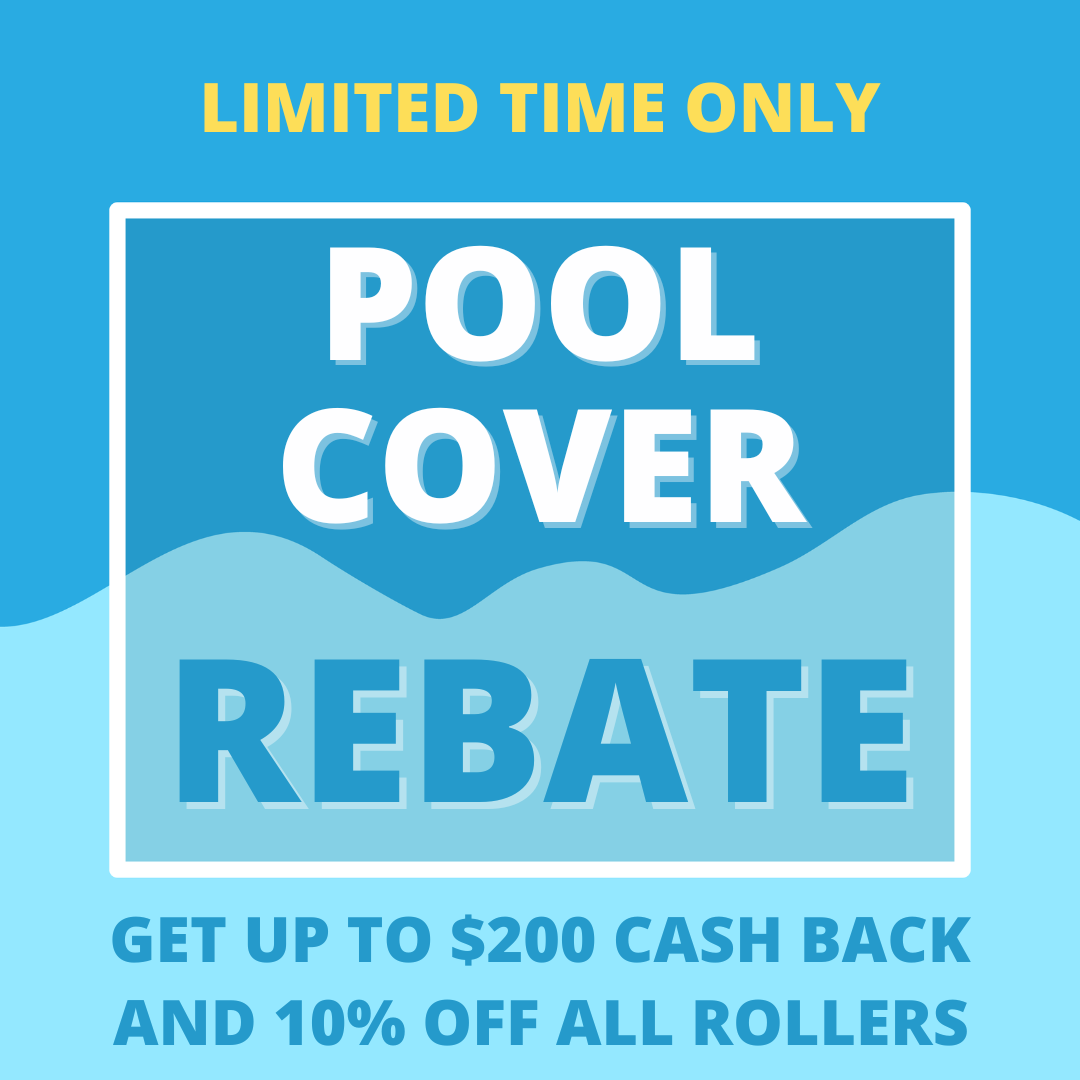
Many homeowners replace liners at the same time as upgrading other pool equipment or improving seasonal protection. Using quality pool covers or winter pool cover options can help reduce UV damage, debris buildup and unnecessary wear between seasons.
For pools exposed to strong sun or heavy use, a thicker swimming pool vinyl liner may offer better long-term durability and puncture resistance. Adding a pool cover roller also makes regular cover use easier, helping extend liner life over time.
Getting Better Lifespan from Above Ground Pool Liners
Keeping your liner in good condition comes down to maintaining a proper water balance, proper surface care, and reducing unnecessary stress on the vinyl. Poor chemistry, sharp debris and long sun exposure can all shorten liner lifespan faster than expected.
Using above ground pool products designed for compatibility with your setup can help reduce fitting issues and maintenance problems later on.
To protect your liner during hotter months, many pool owners also add Daisy pool covers or a Daisy pool cover roller for quicker daily use. Choosing the right liner now can save time, reduce future replacement costs and keep your pool looking cleaner for longer.
 1800 100 417