Thinking about getting a pool cover but wondering if it’s actually worth your money? We get it — pool covers might seem like just another expense, but they do far more than keep leaves out of your water.
Here’s what might surprise you: a quality pool cover can boost heat retention by up to 75%, which means real savings on your heating bills. You’re looking at 50-70% energy savings while cutting chemical and salt loss by up to 50%[-4]. Plus, they dramatically reduce water evaporation, so you’ll see the difference on your water bill too.
The price range is pretty wide — you can start with basic tarp covers at $75-$225 or go all the way up to automatic covers that cost $5,000+. There’s something for every budget and situation.
Before you decide, though, you’ll want to know what pool covers actually do for you, where they might fall short, and whether the numbers make sense for your specific pool setup.
Key Takeaways
Pool covers increase heat retention by up to 75% and reduce energy costs by 50-70%, delivering significant savings on heating bills
Covers prevent 90-95% of water evaporation, saving approximately 45,000 litres annually and reducing chemical usage by up to 60%
Safety covers provide crucial protection for families with children and pets while keeping debris and wildlife out of pools
Manual covers require physical effort to remove and can be visually unappealing, while automatic covers offer convenience at premium prices
Climate and pool usage patterns determine which cover type delivers the best value — from basic winter covers ($75-225) to automatic systems ($5,000+)
Want to know what you’re really getting when you invest in a pool cover? These aren’t just fancy pool accessories — they’re practical solutions that tackle some of your biggest pool ownership challenges.
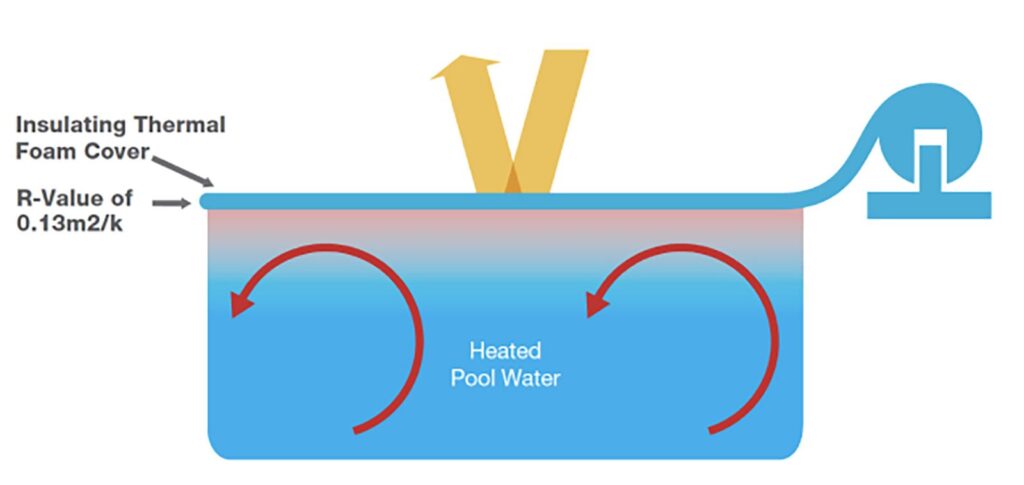
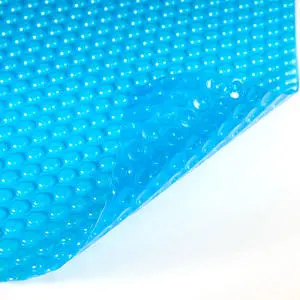
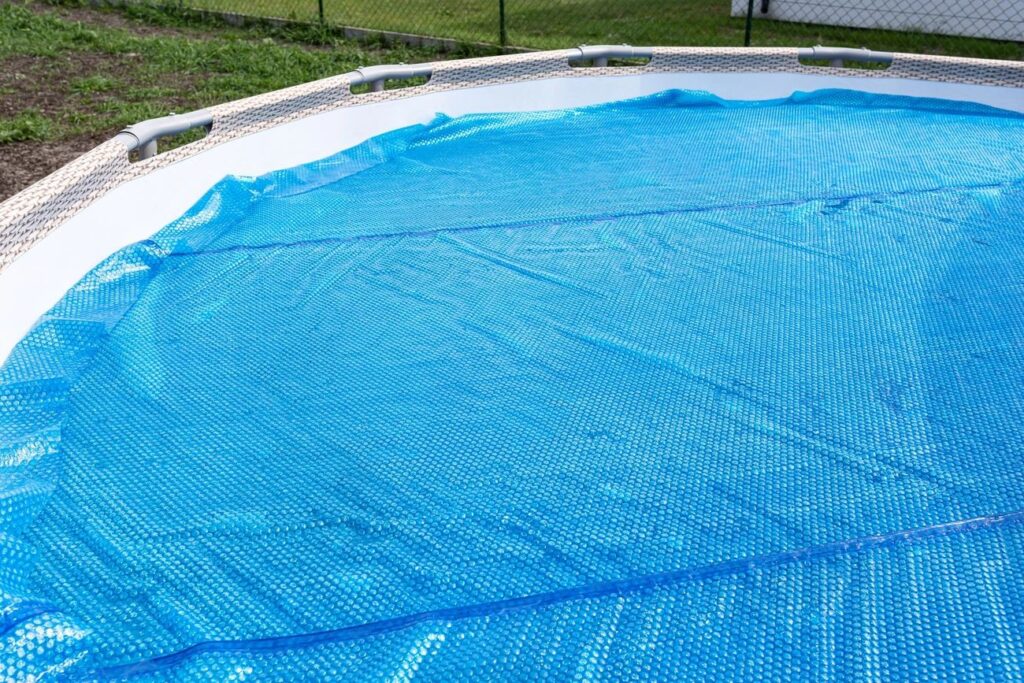
Pool covers work like thermal blankets for your pool, trapping heat and boosting heat retention by up to 75%. Your heating system won’t have to work as hard, which shows up directly on your energy bills. Some covers can actually warm an unheated pool by 8-10°C, giving you a longer swimming season without touching the thermostat. You’re looking at energy savings up to 70% — that’s real money staying in your pocket.
2. Stops Water from Disappearing
Here’s something that might surprise you: the average backyard pool loses about 45,000 litres of water each year just through evaporation. That’s roughly 7mm of water vanishing daily during summer. A good pool cover cuts this evaporation by 90-95%, potentially saving you 3,000 litres monthly. Those water savings add up fast on your utility bills.
3. Cuts Down on Chemicals
Chemical maintenance gets much easier with a cover. Since covers block the UV light that normally breaks down chlorine, you’ll use up to 60% fewer chemicals and about 50% less chlorine. This means fewer trips to the pool store and less time fussing with water balance.
4. Blocks Debris and Bugs
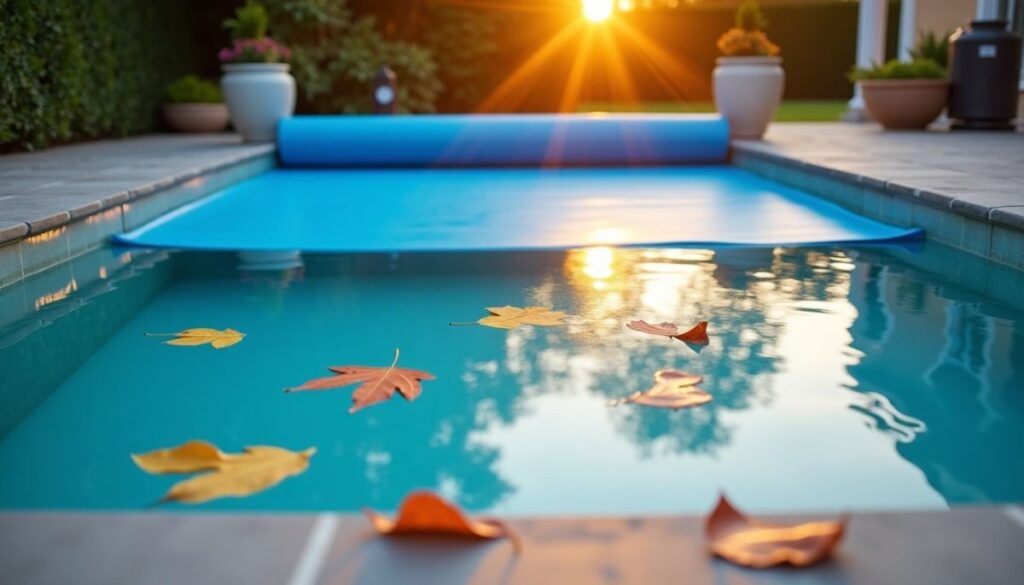
Nothing kills the mood like fishing leaves out of your pool or vacuuming up dirt. Pool covers create a simple barrier that keeps all that unwanted stuff out of your water. Instead of sinking to the bottom, debris just sits on top where you can easily sweep it away meaning far less maintenance time.
5. Adds Safety for Families
If you have kids or pets, safety covers provide peace of mind by creating a barrier that prevents accidents. Many safety covers can actually support the weight of a child or pet, giving you crucial protection against drowning.
6. Keeps Wildlife Away
Pool covers stop ducks and other birds from treating your pool like their personal swimming hole. When animals can’t see the water, they’re not tempted to jump in, which means cleaner water and less cleanup for you.
Cons: 4 Downsides of Pool Covers
Image Source: Pool Operation Management
Pool covers aren’t perfect — they come with real drawbacks that deserve honest consideration. Let’s talk about the less appealing aspects so you can make a decision with your eyes wide open.
1. Covers can be visually unappealing
Your backyard matters, and let’s be honest — entry-level pool covers aren’t winning any beauty contests. Most off-the-shelf options clash with carefully planned outdoor spaces, and they block that peaceful water view from inside your home. Winter covers present the biggest challenge, potentially creating an eyesore for up to 7 months each year.
2. Manual covers require effort to remove
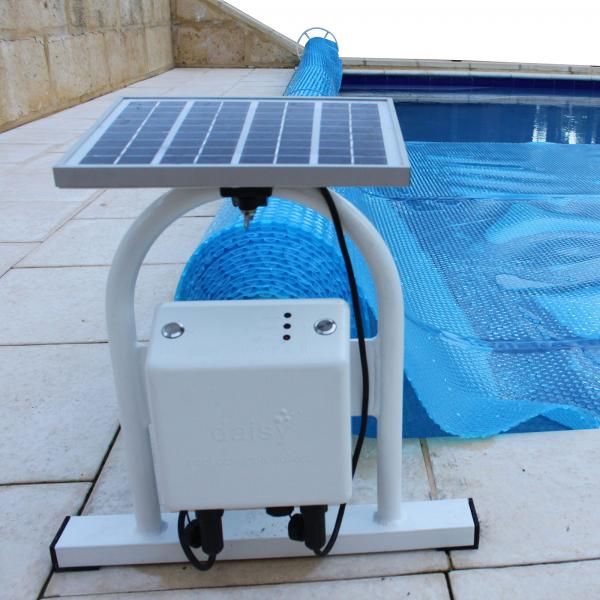
Busy schedules and manual covers don’t mix well. Every time you want a swim, you’re faced with the physical work of rolling, folding, or hauling the cover off. This becomes particularly tedious with larger pools, and some homeowners find themselves skipping pool time just to avoid the hassle. Solar-powered rollers reduce the burden of this chore, while still giving you a simple, hands-off way to wind your cover in and out without relying on mains power.
Storage needs often catch people off guard. You’ll need a dedicated spot to store your cover when it’s not protecting your pool. This creates real problems if you’re working with limited yard space or tight equipment areas. Some modern covers can hide under decking, but that requires planning ahead — or expensive modifications later. Under bench cover rollers provide more attractive storage that even doubles up as pool seating.
Standard covers work great for rectangular and circular pools, but anything unique creates headaches. Custom-shaped pools often leave you with few options, and finding a proper fit without customization becomes nearly impossible. Even custom covers can have fitting issues due to variations in pool construction and backfilling. These specialised solutions typically cost significantly more and require precise measurements and design work.
Pool Cover Types: Finding Your Best Match
With several pool cover options available, choosing the right one depends on your specific needs and budget. Here’s what each type offers — along with their trade-offs.
Standard Winter Covers
Perfect for basic seasonal protection, these covers handle one job well: keeping leaves and debris out during off-seasons. Made from triple-layer woven polyethylene, they snap into coping tracks and store easily when not needed.
At AUD $75-225, they’re the most budget-friendly option. The catch? You’ll replace them every 2-3 years. They can’t support weight and often need water pumps to prevent sagging from rain accumulation.
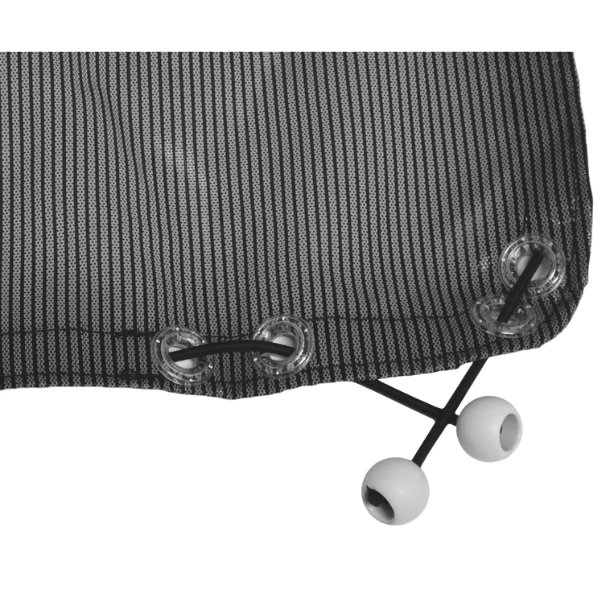
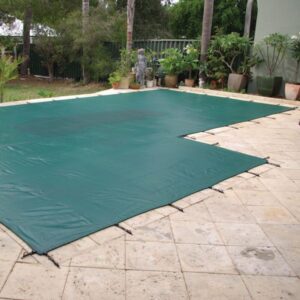
These covers deliver safety and functionality in one package. They attach to deck anchors with stainless steel springs or rubber straps and can actually support the weight of children, pets, and adults.
Mesh covers last significantly longer — 10-15 years compared to 7-11 years for vinyl options. Rain drains through naturally, so no pump is required. The downside? Sunlight can pass through, potentially encouraging algae growth that means extra cleaning after winter.
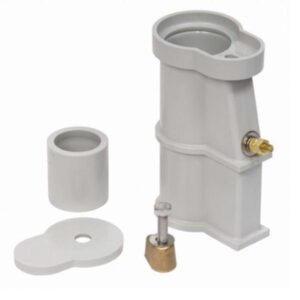
S.R. Smith 48mm Plastic Deck Hole Anchor - Spare Part
Solid Vinyl Covers
Built from durable vinyl material, these covers block everything — debris, UV rays, and water. They prevent algae completely by blocking 100% of sunlight and keep your pool water clean through winter.
Expect to pay AUD $305-917 more than mesh alternatives. You’ll need a submersible pump for water removal, with pump replacement every 2-4 years at AUD $305-382. These covers typically last 7-11 years.
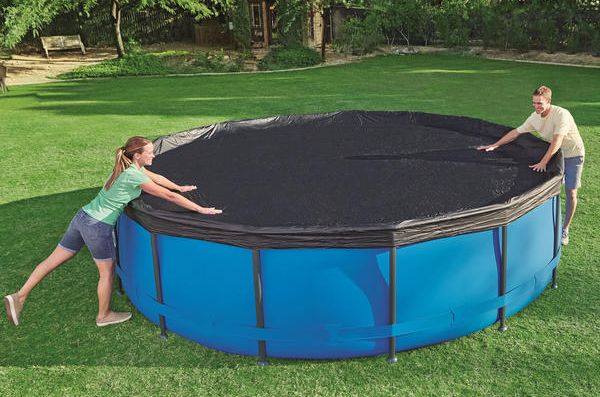
Bestway Premium PVC Pool Cover for 4.57 / 15ft Round Pool
Automatic Pool Covers
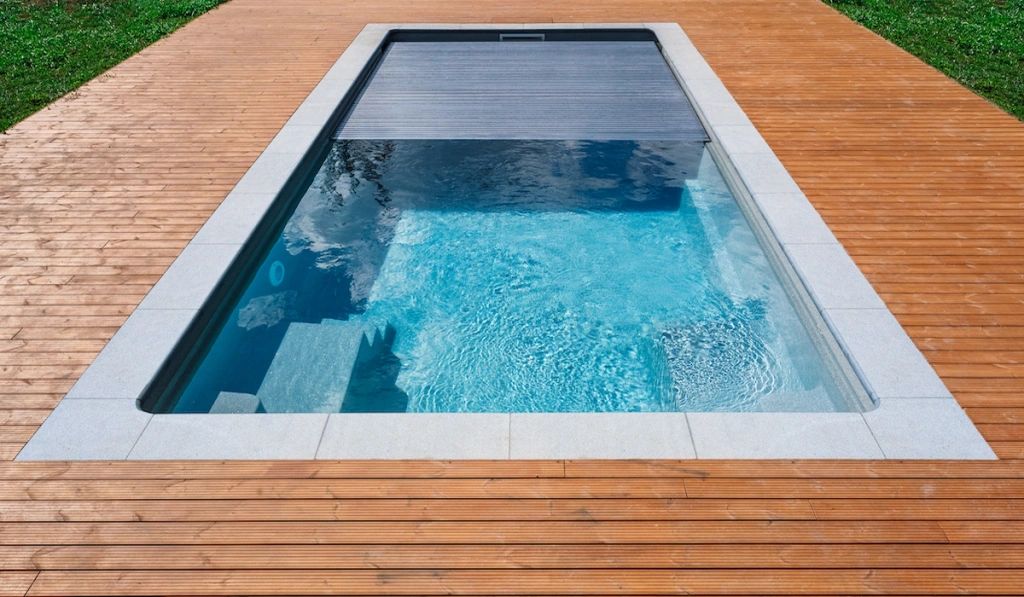
Press a button or turn a key — that’s all it takes. These premium covers create a solid surface that supports up to 70kg and provide three times better insulation than standard pool blankets.
Starting around AUD $15,290, they’re the biggest investment but offer unmatched convenience, safety, and ongoing savings. Most can integrate seamlessly with your landscaping design.
Best Pool Supplies offers a variety of pool covers from mesh to solar heating and winter mesh to choose from.
Daisy Power Series Electric Pool Cover Roller RETRO FIT KIT / NO TUBE - Squat Profile
Should you get a pool cover?
Here’s the big question: Will a pool cover actually be worth it for you? We’ll help you figure out the practical considerations that matter for your specific setup.
When the numbers work out
The return on investment can be pretty impressive — many pool covers pay for themselves within 18 months. Here’s how the math breaks down: you’ll see heating cost reductions of 50-70%, chemical savings of 35-60%, and water consumption drops of 30-50%.
Take water savings alone — a cover can save around 34,675 litres annually, which works out to roughly AUD $106.04 in water bill savings. Higher-quality covers usually offer better long-term value since they last longer and need less maintenance.
Your climate matters
Where you live plays a big role in which type makes sense. Dry or windy areas see massive evaporation, so covers become really valuable. If you’re in a humid climate, you’ll mainly benefit from keeping debris out rather than saving water.
Solar covers perform best where you get consistent sunshine, while thermal covers work better when temperatures fluctuate. Cold-climate pool owners who shut down seasonally often find basic winter covers give the best bang for their buck.
Finding the right balance
Modern covers don’t have to be ugly anymore. Today’s options can actually enhance your backyard rather than detract from it. Smart design elements like natural stone or wood decking help covers blend seamlessly into your landscape.
Automatic covers really represent the best of both worlds — they’re no longer just functional eyesores but elegant features that protect your investment while looking good doing it.
Find the Right Pool Cover with Best Pool Supplies
We’ve covered a lot of ground here, and now it comes down to what works best for your specific situation. Whether you choose a basic winter cover or invest in an automatic system, you’ll get benefits that go well beyond keeping debris out of your water.
The numbers speak for themselves — most pool owners see their investment pay off within 18 months. Water savings, chemical reductions, and lower heating costs add up faster than you might expect.
The best pool cover isn’t necessarily the priciest one. It’s the one that solves your biggest pool headaches while fitting how you actually use your pool. Consider your maintenance style, what annoys you most about pool ownership, and how much hands-on work you’re willing to do.
Browse our pool cover selection including Abgal Pool Covers and rollers, or Daisy’s Ultradome, Solar Screen, and WinterKeen options to find what works best for your pool.
Pool covers offer multiple advantages, including reducing water evaporation by up to 95%, lowering heating costs by 50-70%, decreasing chemical usage by up to 60%, and keeping debris out of the pool. They also improve safety for children and pets and can extend your swimming season by maintaining water temperature.
Are there any drawbacks to using a pool cover?
While pool covers have many benefits, they can be visually unappealing, especially standard models. Manual covers require effort to remove, which may discourage frequent pool use. Some covers also need dedicated storage space when not in use, and finding the right fit for custom-shaped pools can be challenging.
How do different types of pool covers compare?
Pool covers come in various types, each with its own pros and cons. Standard winter covers are affordable but less durable. Mesh security covers offer safety and longevity but may allow some debris through. Solid vinyl covers provide complete protection but require pumps for water removal. Automatic covers offer ultimate convenience and insulation but at a higher cost.
How long does it take for a pool cover to pay for itself?
Most pool covers pay for themselves within about 18 months through savings on heating, water, and chemical costs. The exact timeframe depends on factors like your local climate, pool usage, and the type of cover chosen. Higher-end covers often provide better long-term value due to reduced maintenance costs and longer lifespans.
Should I keep my pool covered or uncovered in different weather conditions?
In dry or windy conditions, it’s generally beneficial to keep the pool covered to reduce evaporation. In warm, humid conditions, you might leave the cover off during the day. For consistent heat retention, especially in colder climates, keeping the pool covered when not in use is recommended. The best approach may vary based on your specific climate and pool usage patterns.
Best Pool Supplies is backed by a team of pool care enthusiasts with experience in maintenance, equipment, and everyday pool ownership. They’re dedicated to sharing clear, practical advice to help customers look after their pools with confidence.














 1800 100 417