










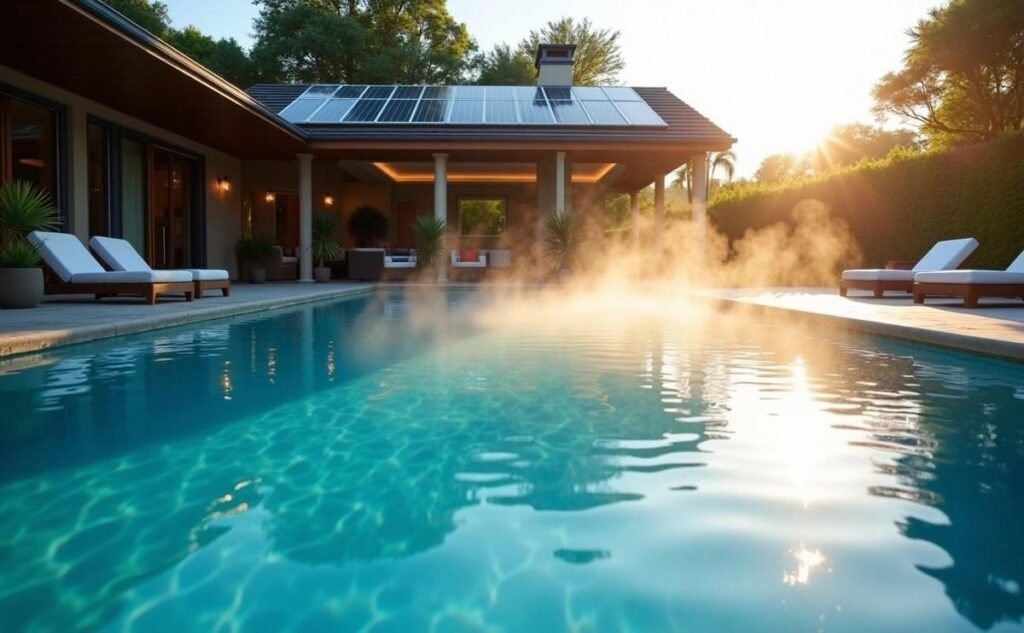
Finding the right heating solution for your large pool comes down to understanding what’s available and which option fits your specific situation.
You might be wondering how to heat a large pool effectively or figuring out what size heater you need for that 15,000-gallon pool.
We’ve put together this practical guide to help you compare the reliable heating options available this year. Our focus stays on what matters most to you: efficiency that keeps costs reasonable, heating performance that actually works, equipment that lasts, and genuine value for your investment.
- Electric heat pumps deliver the best long-term value with 60-80% lower operating costs than gas, making them ideal for regular swimmers who prioritise efficiency over speed.
- Gas heaters provide unmatched rapid heating but cost significantly more to operate, making them perfect for occasional use or when you need your pool ready in hours.
- Solar systems offer the greenest solution with minimal running costs after installation, though they require suitable roof space and work best for extending swimming seasons.
Table of Contents
ToggleBest for Energy Efficiency: Electric Heat Pumps
If keeping your running costs low matters most, electric heat pumps lead the pack.
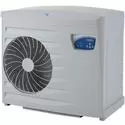
These units work differently from traditional heaters — instead of burning fuel to create heat, they pull warmth from the surrounding air and transfer it to your pool water. Less energy used, steady warmth delivered.
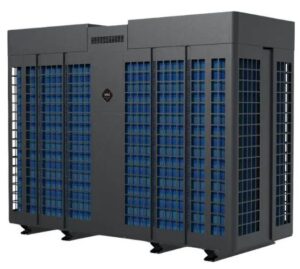
What makes electric heat pumps effective
Large pool owners often find that electric heat pumps strike the right balance between efficiency and performance. Whilst they don’t provide the instant results of gas heaters, their long-term savings and reliability make them a sensible investment.
Pro Tip: Pair a heat pump with a solar cover to maximise efficiency — this combination often extends your swimming season considerably without the higher costs of other heating methods.
The standout feature of electric heat pumps is their efficiency rating, measured as Coefficient of Performance (COP). This number tells you how much heat you get for each unit of electricity used. Quality inverter-based models deliver COPs between 5-10+, meaning you get 5-10 kilowatt-hours of heat for every single kilowatt-hour of electricity consumed.
Large pools typically need units in the 20-30 kW range, or sometimes multiple units working together. This capacity handles substantial water volumes effectively.
Electric heat pump advantages & drawbacks for large pools
Pros
Exceptional efficiency: 60-80% cheaper to operate than gas heaters
Consistent performance: Maintains steady temperatures reliably
Long service life: 10-15 years with proper maintenance
Low maintenance: No burners or heat exchangers to corrode
Clean operation: Zero direct emissions
Quiet running: Inverter models adjust compressor speed automatically
Smart features: Digital controls and app connectivity
Cons
Gradual heating: Raises large pool temperatures by only a few degrees daily
Temperature-dependent: Less effective when air temperatures drop significantly
Higher purchase price: More expensive upfront than some alternatives
Electrical needs: Large units may require dedicated circuits or three-phase power
Placement requirements: Needs proper airflow clearance and noise consideration
Electric heat pump costs
Expect to invest $5,000-$15,000 for electric heat pumps suitable for large pools, with pricing based on capacity and features. A mid-range 17 kW unit costs around $7,500, whilst a larger 32 kW unit costs approximately $13,000.
The initial cost exceeds gas heaters, but operating savings typically recover this difference within 2-3 swimming seasons. Quality heat pumps carry 5-10-year warranties, with some manufacturers, like Madimack, providing 10-year compressor coverage.
Installation adds $1,000-$2,500, depending on electrical requirements and placement complexity. Unlike gas units, you avoid gas line installation and ongoing service contracts.
Best results for large pools:
- Use a pool cover when not swimming to retain heat
- Size appropriately — a 15,000-gallon pool needs at least a 20 kW unit
- Position with adequate airflow clearance
- Consider slightly oversizing if you experience colder weather
Top-tier models like the Madimack Elite V3 series reach COP ratings up to 16.4 under optimal conditions — efficiency that keeps your utility bills manageable even with a large pool.
Quick Heat When You Need It: Gas Pool Heaters
When you want your large pool warm enough for swimming tonight rather than next week, deliver the speed you’re looking for.
These gas heaters warm your pool water directly by burning natural gas or LPG — no waiting for perfect weather.
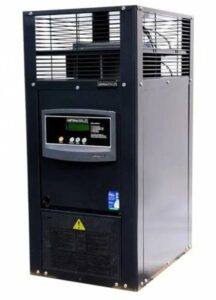
How gas heaters work for large pools
These models generate heat by burning fuel and transferring that energy straight to your pool water through heat exchangers. This direct approach means you can see temperature increases of several degrees within just a few hours — particularly helpful when you have thousands of gallons to warm up.
Large pools benefit from the substantial capacity these units provide. Modern gas heaters range from 200 MJ/h up to about 400 MJ/h input (roughly 40-80 kW output). The AstralPool IXI 370N, with its 370 MJ/h firing rate, handles pools in the 50,000-100,000 litre range effectively.
The key advantage? Gas heaters work regardless of outside temperature. They’ll heat your pool just as well on a cold winter evening as during a warm summer afternoon.
What works well & what doesn't
Pros
Heat your pool by several degrees in just hours
Work effectively in any weather, day or night
Perfect for occasional swimmers who heat on demand
Can be installed indoors or outdoors with proper ventilation
Integrates well with existing pool automation
Cons
Cost more to run continuously than heat pumps
Operate at 82-95% efficiency with some energy lost through venting
Require gas line installation and licensed setup
Produce emissions during operation
Need periodic maintenance for burners and heat exchangers
Gas heater costs
Expect to invest $3,000 to $6,000+ for a gas heater suitable for large pools, depending on capacity and features. A high-capacity 370 MJ/h unit runs about $5,000 before installation.
Installation adds a higher cost, especially if you need a new gas line run to your pool area. A licensed gasfitter must handle the installation for safety and code compliance.
Most manufacturers offer 2-5-year warranties, typically 3 years on parts and 5 years on heat exchangers. With regular maintenance, these units generally last 5-10 years.
Operating costs depend on local gas prices — in Australia, natural gas averages $0.02-$0.04 per MJ. Running a 370 MJ/h heater costs roughly $7-$15 per hour. This explains why gas heaters work best for occasional rather than constant use.
Best results for large pools
Many large pool owners use gas heaters strategically — maintaining baseline temperatures with more economical heating methods, then using the gas unit for quick boosts before planned swimming. This approach balances ongoing costs with the convenience of rapid heating when you need it.
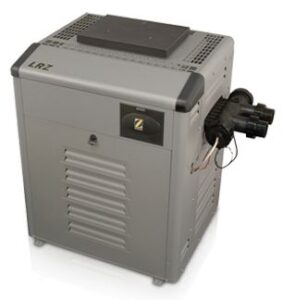
Top-tier models like the Zodiac Legacy LRZ are available with capacities up to 400 MJ (around 100 kW output). This proven workhorse offers “set and forget” convenience. The dual thermostat digital controls let you manage pool and spa temperatures separately. Built with copper heat exchanger and stainless steel burners for reliable performance.
Zodiac Legacy LRZ
Top-tier models like the Zodiac Legacy LRZ are available with capacities up to 400 MJ (around 100 kW output). This proven workhorse offers “set and forget” convenience.
The dual thermostat digital controls let you manage pool and spa temperatures separately. Built with copper heat exchanger and stainless steel burners for reliable performance.
Free Energy for Your Large Pool: Solar Pool Heaters
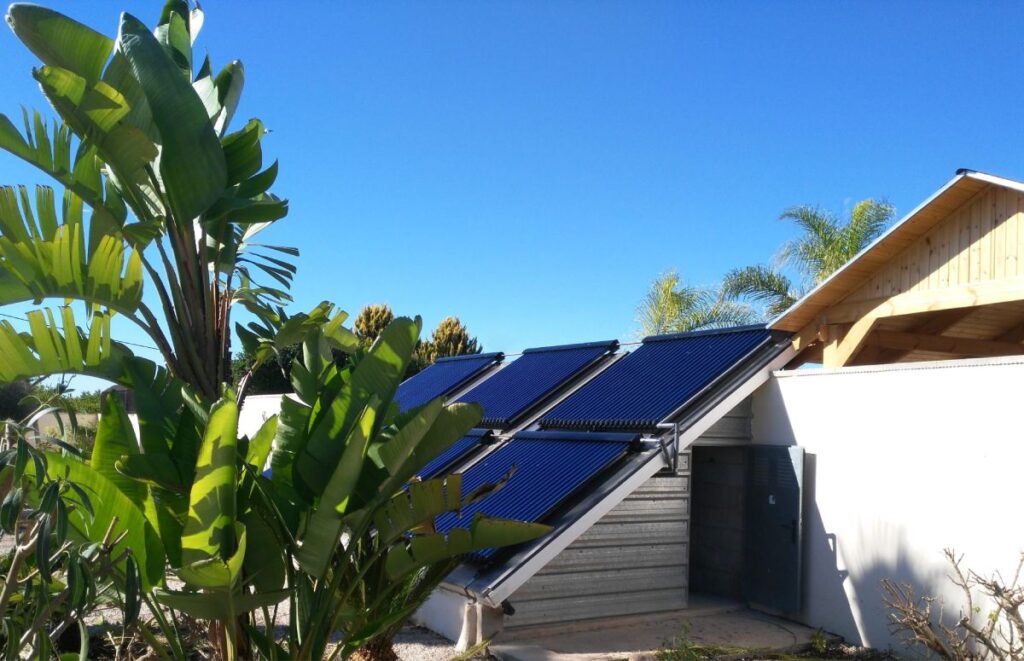
Want to heat your large pool without watching your electricity or gas bills skyrocket? Solar heating gives you exactly that — free energy from the sun that can extend your swimming season whilst keeping ongoing costs to almost nothing.
How solar heating works
Solar pool heating keeps things surprisingly simple. Water from your pool flows through solar collectors — usually rubber or polymer tube panels mounted on your roof — where it absorbs heat from the sun before returning to your pool. That’s it.
What makes solar ideal for large pools is how easily it scales up. Need more heating capacity? Add more collector panels. A typical large pool of about 50,000 litres needs collectors covering about 80-100% of the pool’s surface area, which means roughly 30-50 m² of roof space.
Here’s what you’ll get with a quality setup:
Solar collectors
UV-resistant rubber or polymer tubes arranged in mats that capture solar energy
A dedicated pump (like the Onga LTP series) that moves water to your roof collectors
Units like the Ascon MS3D or Davey SolarMatic that automatically manage everything based on pool and roof temperatures
Flow valves
Direct water to the collectors when heating is needed, bypass them when it’s not
Modern controllers handle all the thinking for you — they’ll start circulating water through those rooftop collectors whenever there’s sunshine and your pool temperature is below your target. On sunny days, a well-sized system can raise your large pool’s temperature by 2-5°C without using any fuel.
Solar heating advantages & drawbacks
Pros
Running costs stay minimal after installation — sunshine doesn’t send you bills
Zero emissions and fuel consumption
Reliable operation with fewer parts that can break
Long-lasting equipment (10-20 years is typical)
Easy to expand by adding more panels
Controllers manage everything automatically
System usually pays for itself within a few seasons
Cons
Cloudy or rainy days mean reduced performance
Slower heating compared to gas or electric options
Won’t maintain summer temperatures year-round, especially in cooler regions
You need sufficient roof space with good sun exposure
Winter performance drops when solar radiation decreases
Might need backup heating for overcast periods
Professional installation works best for optimal results
What you'll spend
Solar represents excellent long-term value for large pool heating. Plan on $3,000-$6,000 for a professionally installed system that properly covers a large pool, with controllers adding another $500-$600.
Budget-conscious owners sometimes explore DIY options like the Bestway Flowclear Solar Pool Heating Pad ($120 per pad). Each pad covers about 1.88 m² and can raise temperatures by 3-5°C under good conditions. You can connect multiple pads together, though even several won’t match a proper professional system for truly large pools.
Solar panels typically come with 10-year warranties, but often last 15-20 years with basic care. Pumps and controllers have shorter warranty periods (1-5 years), but maintenance stays simple — mostly keeping panels clean and winterizing in colder areas.
The energy source costs nothing, so solar offers the lowest ongoing expenses of any heating method. Most systems pay for themselves within 2-3 seasons compared to running gas or electric heating continuously.
Best results for large pools
Solar heating can work well for large pool owners, but only in specific situations.
Does your property get plenty of sunshine, and you have suitable roof space? Perfect. North-facing roof areas work best — ideally covering 80-100% of your pool’s surface. East or west-facing areas can work but might need extra collector area.
Are you looking to extend your swimming season rather than maintain tropical temperatures year-round? Solar fits perfectly. It’s excellent for warming a pool from its natural 18°C in spring up to a comfortable 24°C, effectively adding months to your swimming calendar.
Your swimming habits matter too. Solar works beautifully for regular, planned swimming rather than spontaneous use. Since heating builds up gradually over sunny days, consistent use gives you the best results.
Pair your solar system with a good pool cover for maximum effectiveness. Covers reduce heat loss dramatically (by 2-3 times) and work hand-in-hand with solar heating. Some owners use solar for baseline heating during favorable conditions whilst keeping a gas heater ready for quick temperature boosts when needed.
Installation requires careful planning. Strip matting systems — the most common choice for large pools — need professional setup but deliver the most reliable performance. These feature long UV-stabilized tubes laid across your roof, through which water circulates to capture heat.
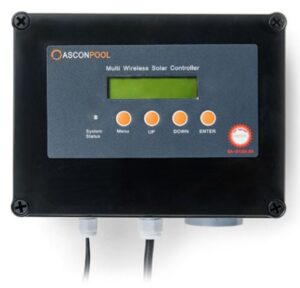
Ascon MS3D-WL Multi Wireless Controller
Modern solar systems work even better with smart controllers like the Ascon MS3D-WL Multi Wireless Controller.
These automatically manage pump operation based on temperature differences between your roof and pool, capturing maximum heat whilst keeping pump runtime efficient.
Heat Your Large Pool with Best Pool Supplies
Choosing the best pool heater for a large pool doesn’t have to be complicated. Whether you’re leaning toward the energy savings of a heat pump, the fast performance of a gas heater, or the eco-friendly appeal of solar, there’s a solution that fits your lifestyle and budget.
Whether you’re after the best pool heater for a large pool, need help comparing large pool heaters, or want to understand which pool heating system suits your lifestyle, we’re here to guide you every step of the way.
- Explore our full range of pool heaters for large pools
- Use our handy Pool Heat Pump Calculator to find the right size
- Get expert advice on the best pool heating system for your needs
FAQs
What is the most efficient heating option for a large pool?
Electric heat pumps are generally the most energy-efficient choice for large pools. They can be 60-80% cheaper to run than gas heaters and provide consistent heating, making them ideal for regular pool users.
How do I determine the right size heater for my large pool?
For a 76,000-litre (20,000-gallon) pool, you typically need a heater with at least 20-25 kW capacity. It’s often better to slightly oversize the heater to ensure faster heating and prevent constant maximum operation.
Is it worth investing in a hybrid pool heating system?
Hybrid systems can be an excellent investment for large pools, offering flexibility and efficiency. They combine multiple heating technologies, allowing you to use the most cost-effective method based on weather conditions and usage patterns.
What are some cost-effective ways to heat a large inground pool?
Cost-effective heating methods for large pools include using a solar cover, installing solar panels, employing a heat pump, or combining a solar cover with a heat pump. These options can significantly reduce heating costs whilst maintaining comfortable temperatures.
How can smart automation improve pool heating efficiency?
Smart automation controllers optimise heating efficiency by managing temperature automatically, reducing energy waste, and eliminating the need for daily manual adjustments. They can coordinate multiple heating technologies and activate systems only when conditions are optimal, leading to significant cost savings.

Best Pool Supplies is backed by a team of pool care enthusiasts with experience in maintenance, equipment, and everyday pool ownership. They’re dedicated to sharing clear, practical advice to help customers look after their pools with confidence.