


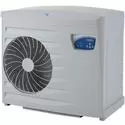






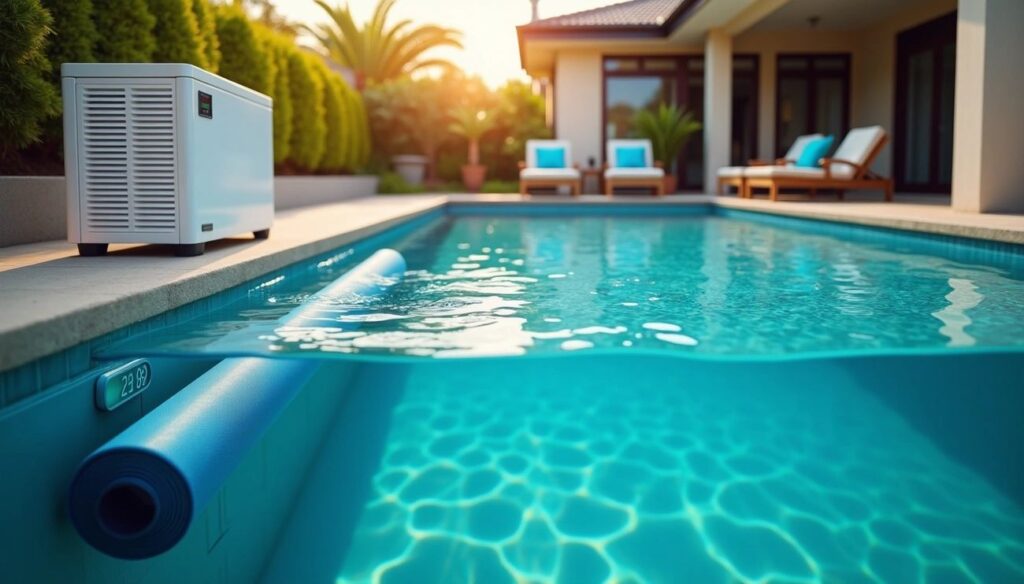
If you’re looking to extend the swimming season without breaking the bank, it’s worth considering a heat pump for your pool. But you’re probably wondering – what about those monthly electricity bills once you install a pool heat pump?
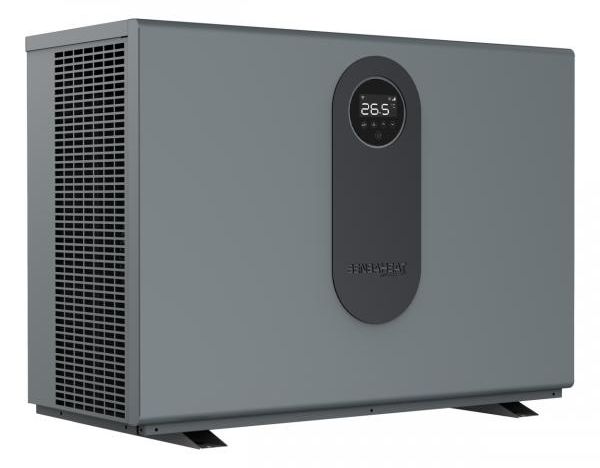

While you’ll invest $4,000 to $8,000 upfront for installation, the ongoing costs are more reasonable than you might think.We’ll walk you through what affects these costs and practical ways to keep your above ground pool warm without overspending.
- Pool heat pumps cost $382-1,146 annually to run versus gas heaters at $764-2,293, delivering 3-7x more heat per electricity unit consumed.
- Using a pool cover reduces heating costs by 50-70% by preventing evaporation, the largest source of pool heat loss.
- Monthly operating costs range from $76-122 for small pools to $183-229 for large pools, depending on size and usage patterns.
- Heat pumps last 10-20 years with proper maintenance, twice as long as gas heaters, making them more cost-effective long-term.
- Running heat pumps during off-peak electricity hours and combining with solar panels can dramatically reduce operating expenses to near zero.
Table of Contents
TogglePool Heat Pump Running Costs
You’re not alone – many pool owners often worry about the ongoing heating expenses of their pool, especially during extended swimming seasons. Luckily heat pumps offer a practical solution, consistently ranking among the most economical heating options available. Let’s break it down.
Outset Costs
Pool heat pumps cost $5,504-10,550 for the unit itself. Add installation costs of $1,528-3,822, which covers electrical work ($764-1,528) and plumbing connections. Yes, this exceeds gas heaters at $4,586-7,644, but you’ll recover the difference through lower running costs.
Daily Operating Costs
Most heat pump models cost $3.06 to $4.59 per day to run. Here’s a simple calculation using a 1.5 kW unit with electricity rates at $0.38 per kWh:
- Hourly cost: $0.57
- Daily cost (8 hours): $4.59
- Monthly cost: $137.61
These figures reflect moderate swimming season usage. The long-term savings typically justify the initial investment.
Most heat pump models cost $4.59 per day
Annual & Monthly Operating Expenses
Pool heat pumps deliver significant savings compared to traditional heating methods. Annual costs typically range from $382 to $1,146 for electric heat pumps. Gas heaters cost substantially more, at $764 to $2,293 yearly.
The efficiency difference explains these savings. Heat pumps produce up to five times more heat energy than the electricity they consume. They also need minimal servicing compared to gas systems, adding to their value.
Annual costs typically range from $382 to $2,293
Monthly Costs by Pool Size
Most of the lower running-cost figures apply to smaller pools in warmer, tropical parts of Australia. In places like Queensland or the Northern Territory, the warmer air helps the heat pump work more efficiently, so your monthly bills tend to sit at the lower end of the range.
Your monthly expenses depend on pool volume and local climate conditions:
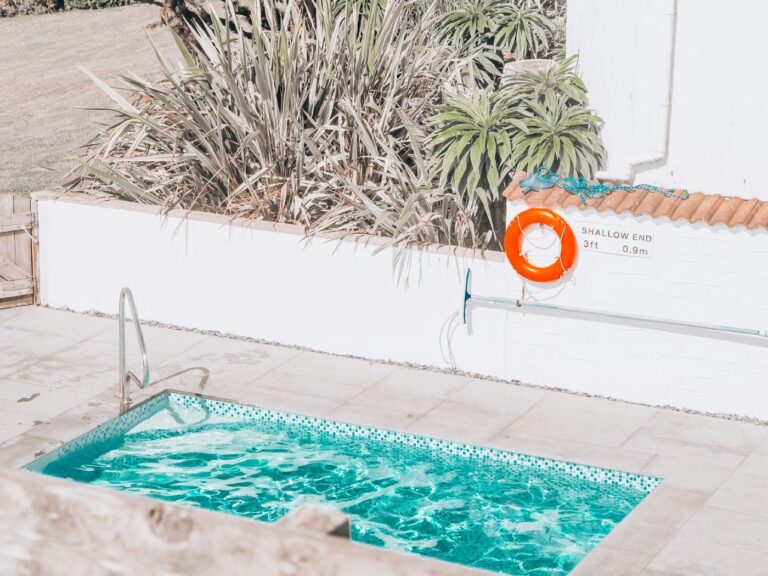
Small Pools
$76 to $122 monthly, particularly efficient during warmer months.
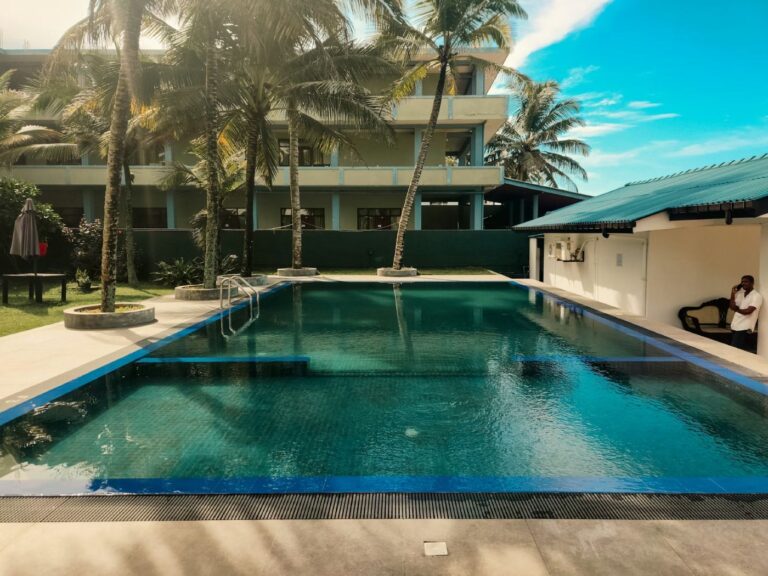
Medium Pools
$122 to $198 monthly, varying with location and usage frequency.
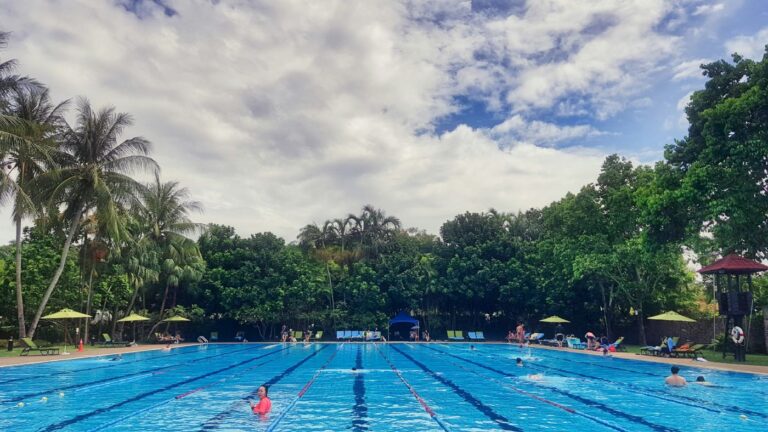
Large Pools
$183 to $229 monthly for larger water volumes.
For larger pools in cooler southern states (especially Victoria and southern Australia), you’ll usually see costs toward the higher end. Colder air makes the heat pump work a bit harder to reach and hold your preferred temperature, so it’s normal for running costs to creep up during the cooler months.
Gas heaters run more at about AUD $200-$500 monthly
Maintenance & Repairs
Annual servicing runs $229-458 to keep your system running efficiently. Repairs can range from $229 for thermostat issues to $3,057 for compressor problems. Gas systems typically need more frequent attention, making heat pumps easier to maintain.
Annual servicing runs at
$229-458
Long-Term Value
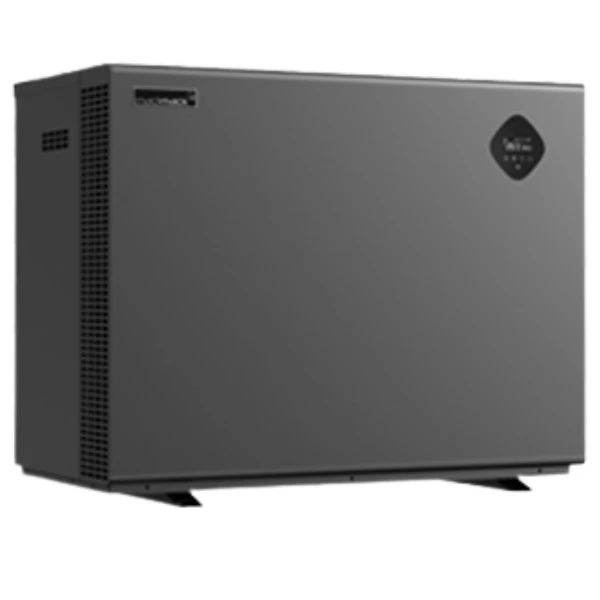
Quality heat pumps last 10-20 years with regular care, while gas heaters typically need replacement after 5-10 years. This extended lifespan means you’ll spread replacement costs over double the timeframe of other heating methods.
Quality heat pumps last 10-20 years
5 Factors Affecting Pool Heat Pump Running Costs
Understanding what drives your heat pump costs helps you manage expenses more effectively. These key factors determine how much you’ll pay each month to keep your pool comfortable.
1. Outdoor Temperature & Climate
Your local climate has the biggest impact on efficiency. Heat pumps work best when outdoor temperatures stay above 10°C, though quality models function down to 7°C. Colder air means your heat pump works harder to extract warmth, which increases electricity usage.
Wind exposure around your pool area also matters. Strong winds increase heat loss from your pool’s surface, forcing your heat pump to compensate. Higher humidity found in Queensland, Northern Territories, and Western Australia actually helps performance — humid air transfers heat more efficiently.
Cold regions like Melbourne and Adelaide see seasonal cost variations, with higher expenses during winter months when efficiency naturally drops.
2. Pool Size & Water Volume
Larger pools cost more to heat—simple as that. More water requires more energy and longer operation times. A 37,000-litre pool typically needs at least a 12kW heat pump to maintain comfortable temperatures.
Getting the right size matters for your wallet. An undersized unit struggles to maintain temperature, working overtime and driving up costs. An oversized system wastes energy through short-cycling and may not last as long.
3. Pool Covers Make a Huge Difference
Pool covers offer the single best way to slash heating costs. They prevent evaporation, the largest source of energy loss in swimming pools, and can reduce expenses by 50-70%.
Every litre of 27°C water that evaporates takes 2,500 kilojoules of heat energy with it.
A quality cover like Daisy pool covers acts as a vapour barrier, keeping that heat in your pool where it belongs.
4. Heat Pump Efficiency (COP Rating)
COP measures how much heat your pump produces per unit of electricity consumed. Modern pool heat pumps achieve COPs between 3.0 and 7.0—that’s 300-700% efficiency.
Higher COP ratings mean lower running costs. These factors affect your unit’s COP:
- Warmer air temperatures improve efficiency
- Consistent water temperatures require less energy
- Clean heat exchangers and proper maintenance
- Quality installation and system design
5. Your Local Electricity Rates
Your actual costs will vary based on electricity rates, desired temperature increase, and starting water temperature.
Electricity prices across Australia range from $0.31 to $0.54 per kWh. This variation significantly impacts your total costs.
Here’s a real example: A 1.5kW heat pump costs about $0.57 per hour at $0.38 per kWh. Running 8 hours daily equals roughly $4.59.
Operating your heat pump during off-peak hours when rates are lower can substantially reduce costs without affecting performance.
5 Ways to Lower Your Pool Heating Bills
Want to cut those monthly heating costs? These practical steps can help you save money while keeping your pool comfortable.
1.
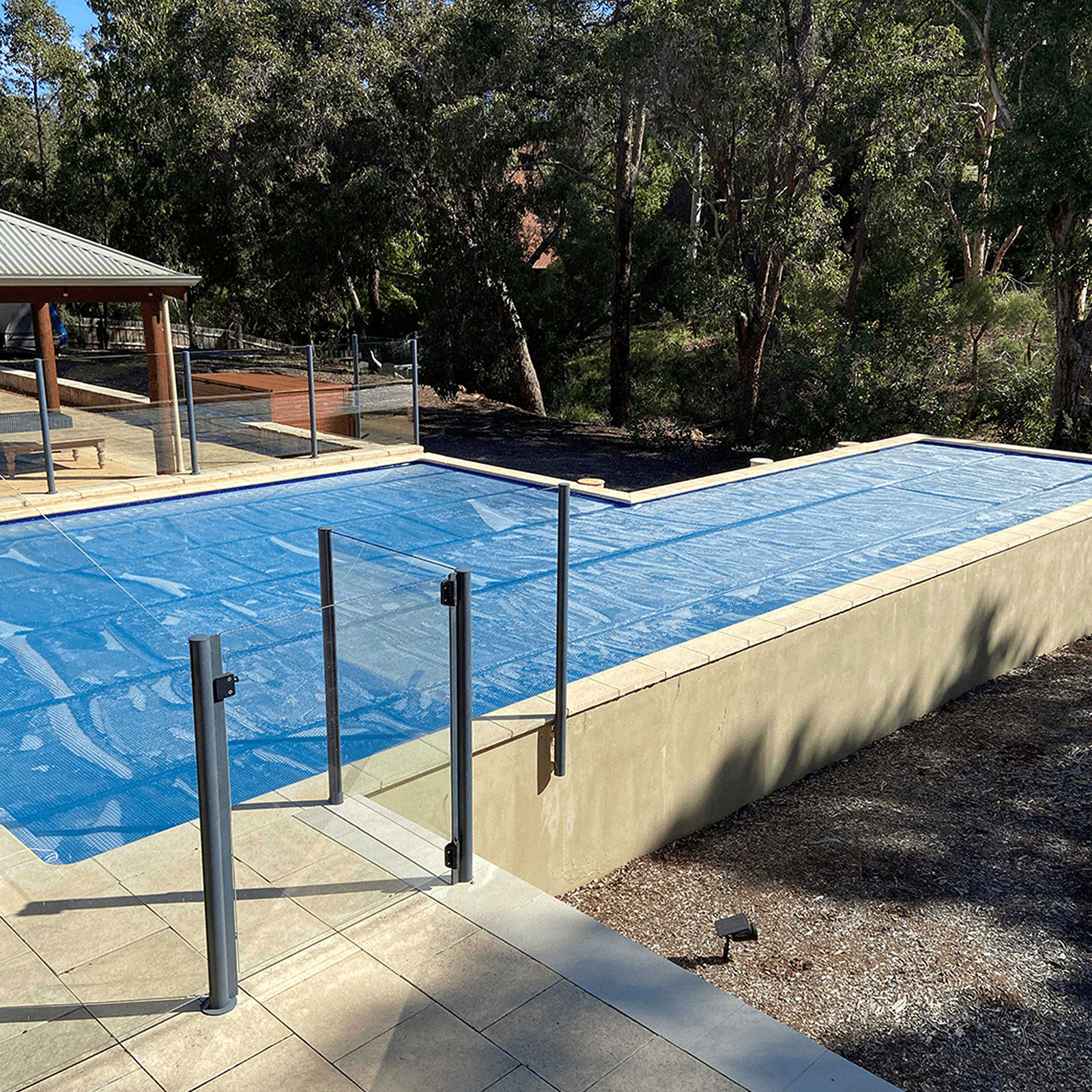
Use a Pool Blanket
Pool covers cut heating expenses by 50-70%.
They prevent evaporation, the main cause of heat loss,and trap warmth in your water. You’ll also use 30-50% less water and 35-60% fewer chemicals.
2.
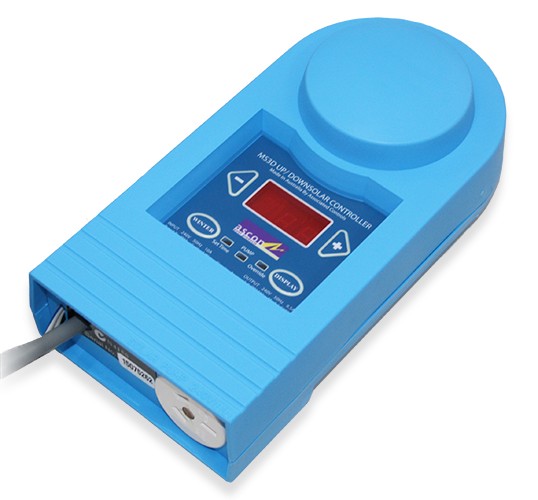
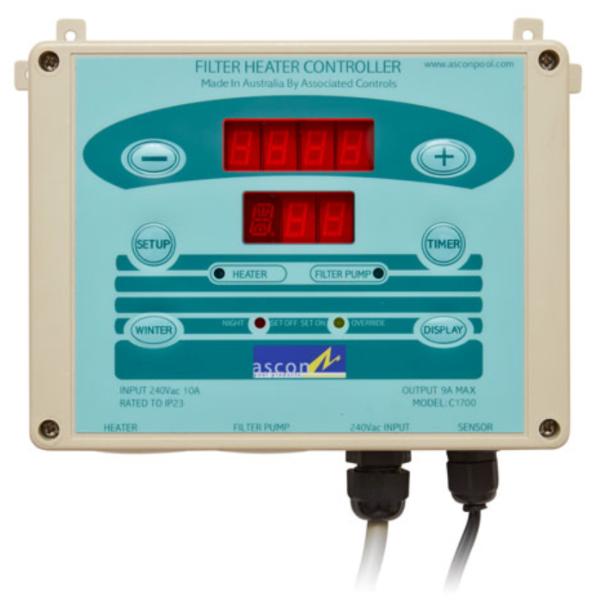
Install a Timer or Smart Controller
Smart controllers help you track energy use and adjust performance.
programme your system to match when you actually swim, avoiding unnecessary heating when nobody’s using the pool. Many controllers connect to your smartphone for remote management.
3.
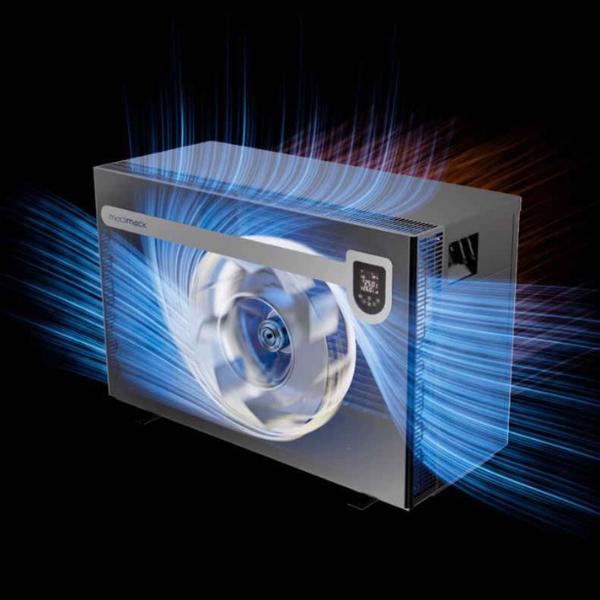
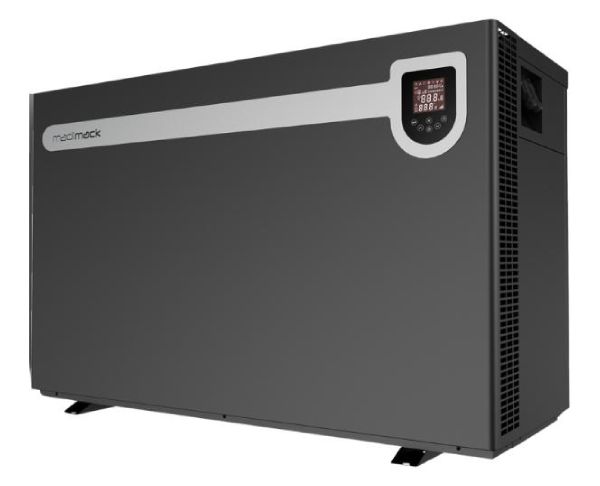
Choose the Right Size Heat Pump
Getting the size right matters for efficiency. Too small and your unit works harder, pushing up electricity bills. Too large and you’ll overpay upfront without getting extra benefits. Match your heat pump to your pool’s size, water volume, and local climate.
4.
Run During Off-Peak Hours
Schedule your heat pump for off-peak periods (usually overnight) to reduce costs without affecting performance.
5.
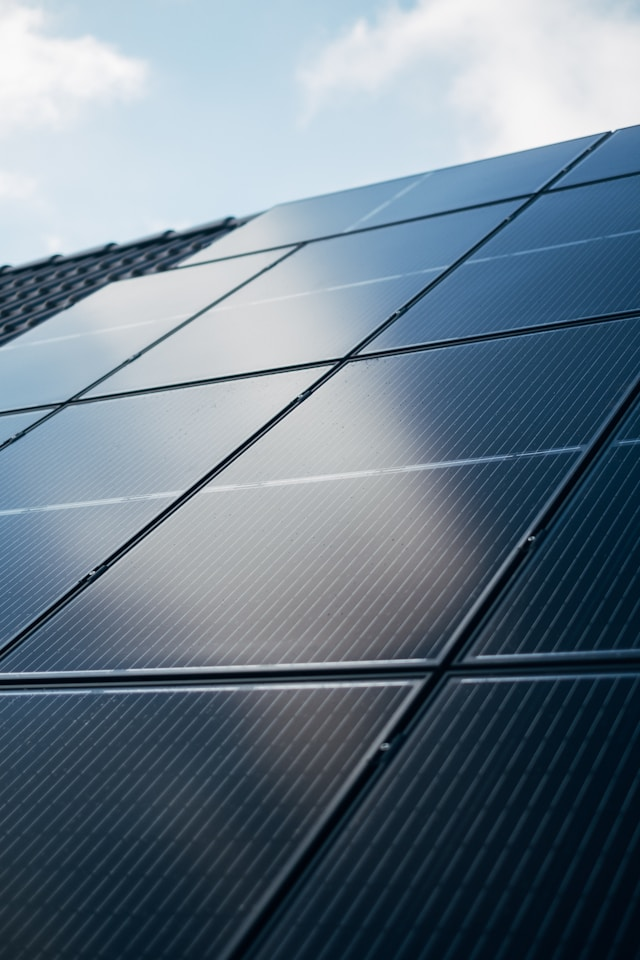
Combine with Solar Panels
Adding solar panels to your heat pump setup can slash operating costs — sometimes to almost nothing. Your heat pump runs on free solar energy during the day when your panels produce electricity. Use timers to sync heat pump operation with peak solar production.
Save More on Pool Heating with Best Pool Supplies
A heat pump is one of the easiest ways to keep your pool warm without running up big bills. Once it’s set up, it does the job quietly and efficiently, giving you comfortable water for far less than gas heating.
Your running costs mostly come down to a few simple things — your pool size, where you live, and how you use the heater. One tip that makes a huge difference is using a pool cover. It stops most of the heat from escaping overnight and helps your heater work a lot less.
The right gear also helps everything run smoothly. A good pump, clean filtration, and a heat pump that suits your pool size all play their part in keeping costs down and heating steady.
Looking for a heat pump but wondering where to begin? We created a pool heat pump buyer’s guide and Heat Pump Calculator to help you find the most suitable make and brand for your needs.
FAQs
How much electricity does a pool heat pump consume?
A typical pool heat pump uses about 5 to 6 kW of electricity per hour. While this may seem high, the efficient heat transfer process makes it more economical compared to other pool heating methods.
What is the daily cost of running a pool heat pump?
The daily cost of running a pool heat pump can range from $3.06 to $4.59, depending on factors such as pool size, desired temperature, and local electricity rates. Larger pools or extended usage may increase costs.
Why might my electricity bill be higher than expected with a heat pump?
Higher bills could result from poor home insulation, the heat pump working harder in cold weather, running too frequently, or being set at too high a temperature. Most of these issues can be addressed to improve efficiency and reduce costs.
What are the main drawbacks of using a pool heat pump?
Pool heat pumps have two primary disadvantages: they heat water more slowly compared to gas heaters, and they become less efficient in colder temperatures, typically below 10°C. This can limit their effectiveness during cooler months.
What is the right size heat pump for my pool?
You can work it out in a few minutes using our Pool Heat Pump Calculator. Just enter your pool details and it’ll recommend the right size based on your volume, climate, and heating goals.
1.
Use a Pool Blanket
Pool covers cut heating expenses by 50-70%. They prevent evaporation — the main cause of heat loss — and trap warmth in your water. You’ll also use 30-50% less water and 35-60% fewer chemicals.
2.
Install a Timer or Smart Controller
Pool covers cut heating expenses by 50-70%. They prevent evaporation — the main cause of heat loss — and trap warmth in your water. You’ll also use 30-50% less water and 35-60% fewer chemicals.

Best Pool Supplies is backed by a team of pool care enthusiasts with experience in maintenance, equipment, and everyday pool ownership. They’re dedicated to sharing clear, practical advice to help customers look after their pools with confidence.