




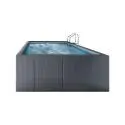

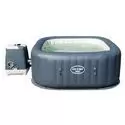




An above ground pool is a great way to enjoy a backyard dip without the same investment of time, cost, or disruptions of a full in-ground installation. They can be a fantastic addition to your home, but figuring out an above ground swimming pool’s price comes down to more than just the size alone.
An above ground pool is a great way to enjoy a backyard dip without the same investment of time, cost, or disruptions of a full in-ground installation. They can be a fantastic addition to your home, but figuring out an above ground swimming pool’s price comes down to more than just the size alone. Two pools with the same water capacity can sit thousands of dollars apart once frame strength, liner thickness, filtration systems, and installation requirements are factored in.
Table of Contents
ToggleWhat Affects Above Ground Pool Cost?
There’s no fixed price for an above ground pool. Figuring out the total comes down to a combination of the materials and size of your pool, how it’s installed, and what’s required to keep it running at its best.
Here are the main factors to consider when comparing above ground pool prices:
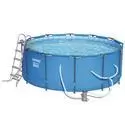
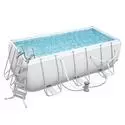
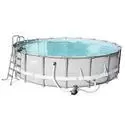
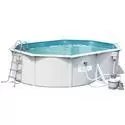
Size and shape
Size and shape influence cost and usability in different ways:
- Larger pools not only cost more upfront but also increase chemical use, filtration time, and refill requirements
- Shape usually doesn’t have a major impact on the initial cost. However, the shape of your pool will affect the layout and design of your space
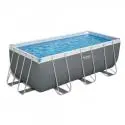
- Rectangle pools look best in structured spaces with defined lines, and fit nicely in narrow layouts
- Round and oval pools offer a more relaxed look and suit open designs that emphasise space
When choosing the size and shape of your above ground pool it’s important to work with your space. For some design inspiration, check out our blog on landscaping ideas for above ground pools.
Materials
Price differences between above ground pools are driven more by the quality of the materials used than by size. Material choice affects lifespan, resistance to damage, and how well the pool holds up in extreme weather.
The most common options are:
- Offers the highest structural strength and longest service life
- Can handle constant water pressure well and are less likely to warp
- Lifespan depends heavily on corrosion protection
- Galvanisation and protective coatings are critical in humid and coastal areas
- In well-maintained conditions, typically last 5–15 years or more
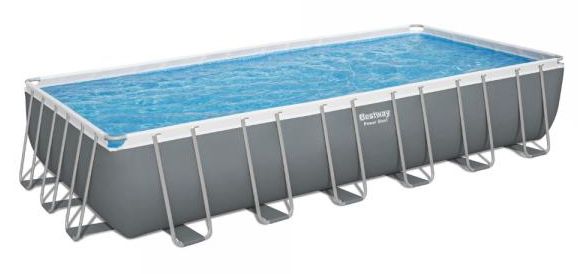
- Combines moulded resin components with metal supports
- Resin doesn’t rust, making them well suited to saltwater and high-humidity environments
- Usually sit in the mid-range for above ground swimming pool prices
- Hit a balance between durability and reduced long-term maintenance risk
A swimming pool liner is the vinyl layer that holds the water inside the pool’s frame. It directly affects the initial above ground pool cost, and the ongoing expenses.
- Thicker liners resist UV exposure, chemical fluctuations, and water pressure far better
- Most liners last around 7–10 years under normal conditions
- Cheaper liners often require earlier replacement, especially in high-sun or poorly balanced pools

Additional costs
The price of the pool itself is only one part of the total above ground pool cost. There are several one-off expenses that apply to most installations, regardless of size or material.
Installation
An above ground pool must sit on a level base, which may require ground preparation. This can include:
- Compacted road base
- Concrete pad
- DIY installation for smaller pools
- Professional installation for larger steel or resin pools
Site conditions and labour requirements will affect your overall price.
Pool fencing
In most Australian states, mandatory fencing laws apply to all pools, including above ground models. Regulations typically require:
- Compliant barriers
- Self-closing gates
- Minimum fence heights
Requirements vary by state and council, so it’s important to check your local regulations to get an accurate estimation of an above ground pool’s price.
Electrical work
Pool pumps require a certified electrician if hard-wired, and outdoor power points must meet waterproof safety standards. Electrical costs are influenced by:
- Access to power
- Labour requirements
- Whether new circuits or weatherproof outlets are needed
We recommend speaking with a licensed electrician before installation to get an idea of what work is needed.
Water filling
- Pool size
- Local water rates
Pool covers
A pool cover is an optional addition, but it can help lower your water, heating, and chemical costs over time. The main benefits include:
- Reduced evaporation and water loss
- Improved heat retention
- Less debris entering the pool
- Reduced chemical demand
Ongoing Maintenance and Running Costs
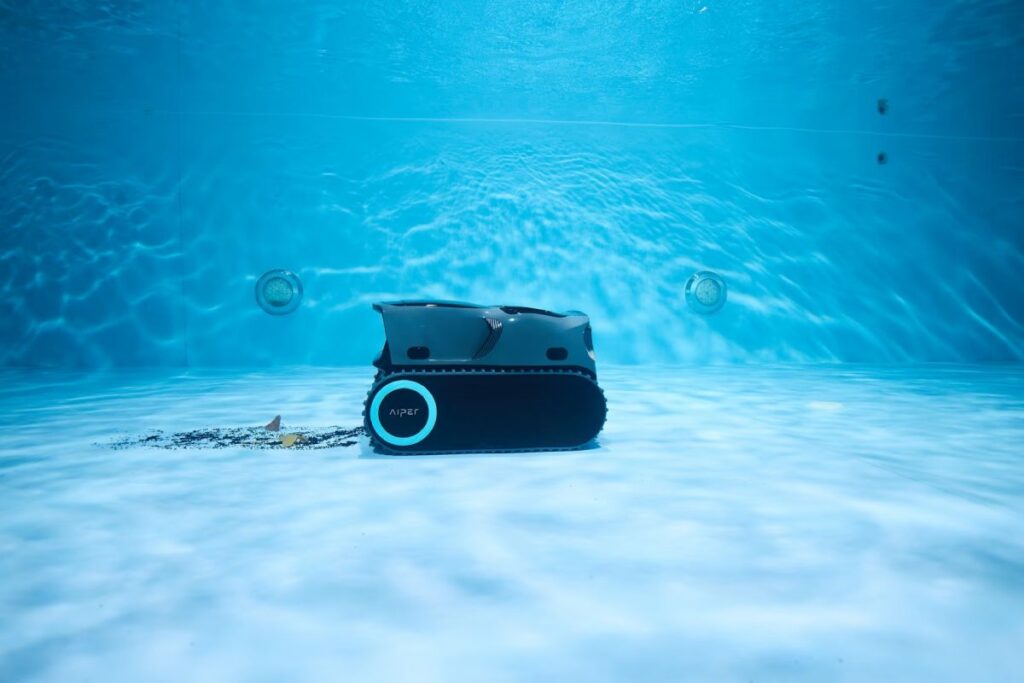
Above ground pools cost less to run than in-ground pools, but they still require regular upkeep to stay clean, safe, and usable. These are recurring costs that can change depending on the season, how often the pool is used, and local conditions.
Chemicals and water testing
Sanitiser, pH balancers, and regular water testing are essential for safe swimming and to protect the liner and equipment. Ongoing chemical use is affected by:
- Warm weather
- Frequency of use
- Rain and environmental debris
- Poor water balance requiring corrective treatments
Poor water balance can drive costs higher if corrective treatments are required, but regularly using a water testing kit makes this issue easy to avoid.
Electricity
Your pool pump must run regularly to circulate water through the filtration system. Longer run times improve water clarity and chemical distribution but also increase electricity use. Running costs are influenced by:
- Pump size
- Daily filtration time
- Local power rates
Use our heat pump calculator to find what size pump will work best, as well as model recommendations and price estimation.
Water top-ups
Evaporation, backwashing, and splash-out all lead to gradual water loss over time. Top-up frequency is affected by:
- Pool size
- Weather conditions
- How often the pool is used
While each top-up may seem minor, water use accumulates steadily over a full season of operation.
FAQs
Are above ground swimming pools cheaper to run than in-ground pools?
Yes. Smaller water volume, shorter filtration times, and lower chemical usage generally result in lower ongoing costs.
Do I need council approval for an above ground pool?
Requirements vary by location. Some councils require development approval depending on pool height, fencing, and decking. Always check with your local authority before purchasing.
How long does it take to install an above ground pool?
DIY installations usually take one to two full days. Professional installation may be completed within one day once site preparation is finished.
Do above ground pools increase property value?
Above ground pools generally add lifestyle value rather than significant resale value. Permanent decking and landscaping can improve visual appeal but typically won’t match the return of an in-ground pool.
Want Easier Pool Care?
We help you keep your pool clean and safe with less effort. If you need assistance, contact us on 1800 100 417 or by emailing [email protected].

Best Pool Supplies is backed by a team of pool care enthusiasts with experience in maintenance, equipment, and everyday pool ownership. They’re dedicated to sharing clear, practical advice to help customers look after their pools with confidence.