









Are you watching your energy bills climb each month? You’re not alone. Many pool owners wonder if heat pump pool heaters actually deliver the savings they promise.
Heat pumps have gained popularity for good reason — they’re remarkably efficient. Modern units achieve a Coefficient of Performance (COP) between 3.0 and 7.0, which means 300%-700% efficiency. Inverter models perform even better, reaching COPs of 10 and running 10-35% more efficiently than standard heat pumps.
Yes, the upfront cost looks steep when you’re comparing heating options. But here’s where it gets interesting: inverter heat pumps cost up to 85% less to operate than other heating methods, potentially saving you up to AUD $2,500–$3,000 per year.
We’ll walk you through the real numbers — what you’ll spend, what you’ll save, and whether a heat pump makes sense for your specific situation. No fluff, just the facts you need to decide confidently.
- Heat pumps achieve 300-700% efficiency by moving existing heat rather than creating it, delivering up to 6 units of heat per unit of electricity consumed.
- Monthly running costs range from AUD $76–$229 for heat pumps versus $200–$400+ for gas heaters, with payback periods of just 3-5 years.
- Modern heat pumps work effectively in temperatures as low as 7-10°C, with inverter models operating down to -10°C for year-round functionality.
- Heat pumps heat pools more slowly (1-1.5°C per hour) than gas heaters, but last 10-20 years compared to gas heaters' 5-10-year lifespan.
- Regular swimmers and year-round pool users benefit most from heat pumps, whilst occasional users might prefer gas heaters for rapid heating when needed.
Table of Contents
ToggleWhat is a pool heat pump and how does it work?
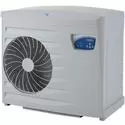
Pool heat pumps work differently than you might expect. Rather than creating heat from scratch, they collect warmth that already exists in the air around them.
Even on a cool day, there’s usable heat energy floating about — heat pumps simply gather it up and move it into your pool water.
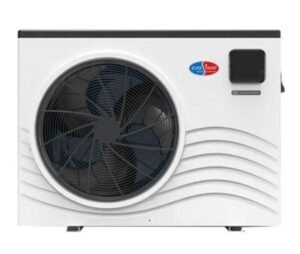
How heat is transferred from air to water
The process follows a straightforward cycle that repeats continuously:
- A fan pulls outdoor air into the heat pump and pushes it across the evaporator coil
- Liquid refrigerant in the coil soaks up heat from the air, turning into gas
- This gas moves through a compressor, which squeezes and concentrates the heat
- The superheated gas flows through a condenser coil
- Pool water circulates through the heat pump, flowing past the condenser
- Heat jumps from the hot gas to the cooler water
- The refrigerant cools back to liquid and starts the cycle again
Think of it as a heat magnet — it pulls warmth from the air and concentrates it exactly where you want it.
Why heat pumps are more efficient than gas heaters
The key difference lies in how they work. Gas heaters burn fuel to make heat, while heat pumps simply relocate heat that’s already there using just a bit of electricity.
This approach lets heat pumps deliver 10-15 times more energy than they actually use. A modern heat pump runs at about 600% efficiency, while gas heaters typically manage only 50-95% efficiency.
Picture it this way: gas heaters are like lighting a bonfire to warm your hands. Heat pumps are more like using a lens to focus sunlight — they gather existing energy and direct it where it’s needed.
Do pool heat pumps work in cold weather?
Absolutely. Many people assume heat pumps stop working when temperatures drop, but that’s not the case. Quality units keep running efficiently as long as outdoor temperatures stay above 7-10°C.
Newer inverter technology pushes these limits even further, with some models pulling heat from air as cold as -10°C. Heat pumps function year-round in most climates, though they’ll work a bit harder and heat more slowly when it’s particularly cold outside.
Are heat pump pool heaters worth it? Pros and cons explained
For most pool owners, the bottom line matters. Here’s what you need to know about the real benefits and the drawbacks.
Energy efficiency and long-term savings
Heat pumps deliver impressive efficiency ratings of 300%-700%, producing up to 6 units of heat for every unit of electricity consumed. Your monthly heating costs typically run AUD $76–$229 — far less than gas heaters that cost AUD $200–$400+ monthly.
Durability and lifespan
Heat pumps typically last 10-20 years with regular maintenance — much longer than gas heaters that need replacement after 5-10 years. They have fewer components that can fail, making them reliable for homeowners who prefer less frequent equipment changes.
Slower heating time compared to gas
There's a catch, though. Gas heaters warm water at roughly 1–2°C per hour, while heat pumps manage only 0.5–1.5°C per hour. What takes a gas heater overnight might require several days with a heat pump.
Performance in different climates
Heat pumps perform best when outdoor temperatures stay above 7-10°C. They work well in warmer, humid conditions where heat extraction is easier. Pool owners in colder regions will notice reduced performance during winter months.
Breaking down the cost of pool heat pumps
Numbers don’t lie — and when you’re considering a pool heat pump, they tell you exactly what to expect.
Upfront cost vs long-term savings
Pool heat pumps typically cost between AUD $5,504–$10,550 for purchase, or AUD $1,528–$3,822 installed. Yes, that’s a significant investment upfront. But here’s what makes it worthwhile: these units often pay for themselves within 3-5 years and keep running reliably for 10-15 years.
Running cost estimates by pool size
Your monthly running costs depend on pool size:
- Small pools (20,000-30,000L): AUD $50-$80 per month
- Medium pools (30,000-50,000L): AUD $80-130 per month
- Large pools (50,000L+): AUD $120-$150 per month
Compare this to gas heaters, which cost AUD $200-$500 monthly — often double or triple what you’d spend with a heat pump.
How inverter technology affects cost
Inverter heat pumps cost more initially but deliver 10-35% better efficiency than standard models. With COPs of 10 or higher versus 3-7 for standard units, they reduce your electricity bills month after month.
Pool heat pump cost vs solar heating
Solar heating requires a similar upfront investment (AUD $4,200-$9,700) with virtually zero running costs. Heat pumps offer more consistent year-round heating, while solar depends entirely on weather conditions.
Making the right decision for your pool
How often do you swim?
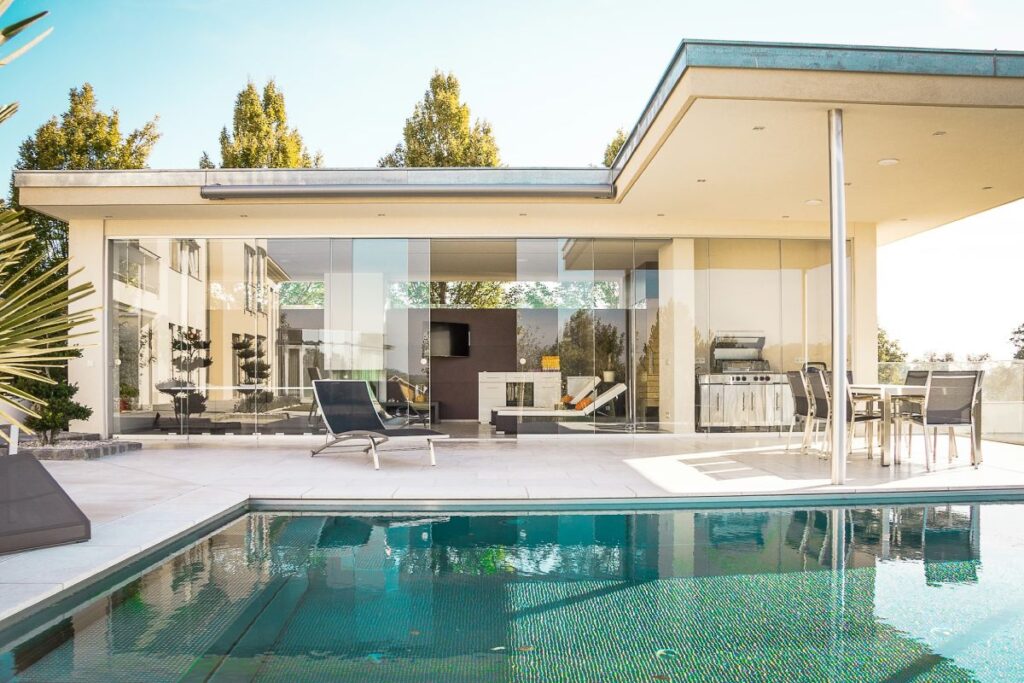
Your swimming habits make all the difference. If you’re in the pool regularly or swim year-round, a properly sized heat pump maintains steady temperatures efficiently. Occasional swimmers might find gas heaters more practical — they heat quickly when you need them. Regular swimmers typically see the best value from heat pumps over time.
Climate and location considerations
Most of the lower running-cost figures apply to smaller pools in warmer, tropical parts of Australia. In places like Queensland or the Northern Territory, the warmer air helps the heat pump work more efficiently, so your monthly bills tend to sit at the lower end of the range.
For larger pools in cooler southern states (especially Victoria and southern Australia), you’ll usually see costs toward the higher end. Colder air makes the heat pump work a bit harder to reach and hold your preferred temperature, so it’s normal for running costs to creep up during the cooler months.
Cooler regions require models that operate effectively at temperatures as low as 7°C. Coastal pools facing strong winds require higher-capacity units to offset heat loss. Very cold climates might benefit from pairing a heat pump with a gas backup for reliability.
Is a heat pump right for your pool type?
Heat pumps suit virtually any pool material or design. The real factor is proper sizing — too small and your unit works overtime without reaching target temperatures. Above-ground pools lose heat differently than in-ground ones, which affects performance.
Power your pool efficiently with Best Pool Supplies
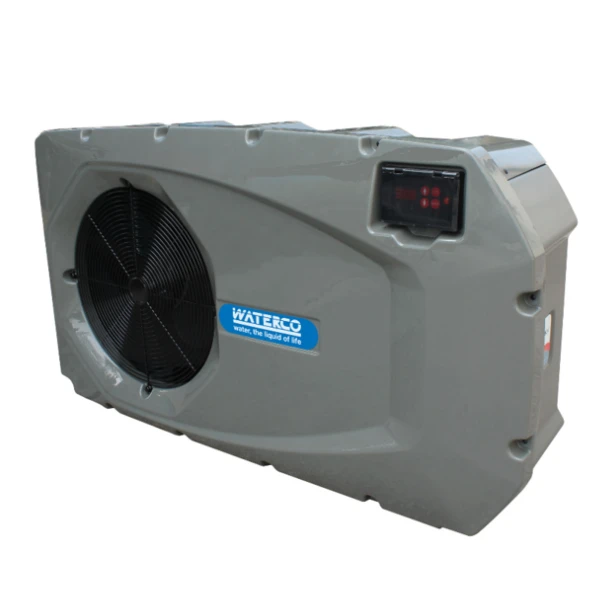
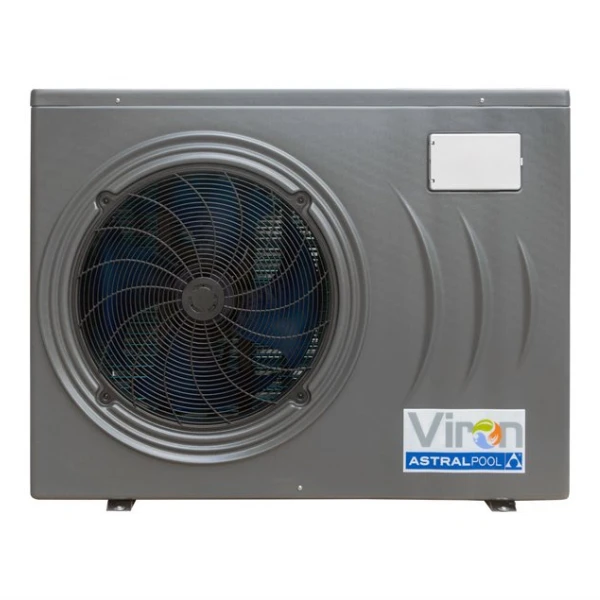
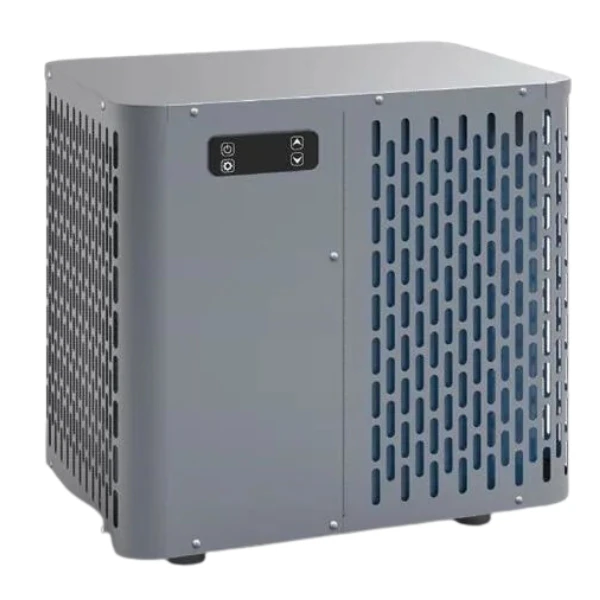
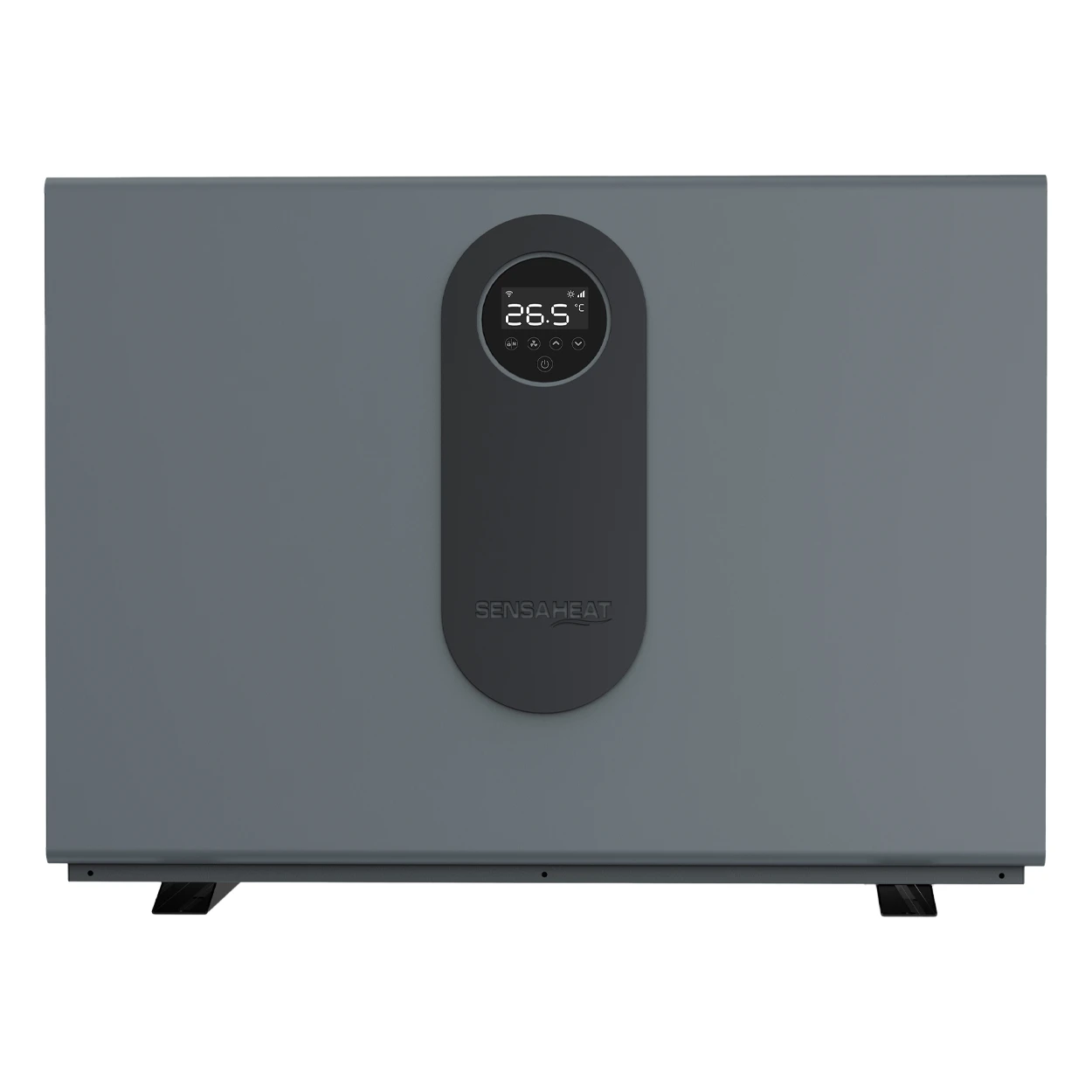
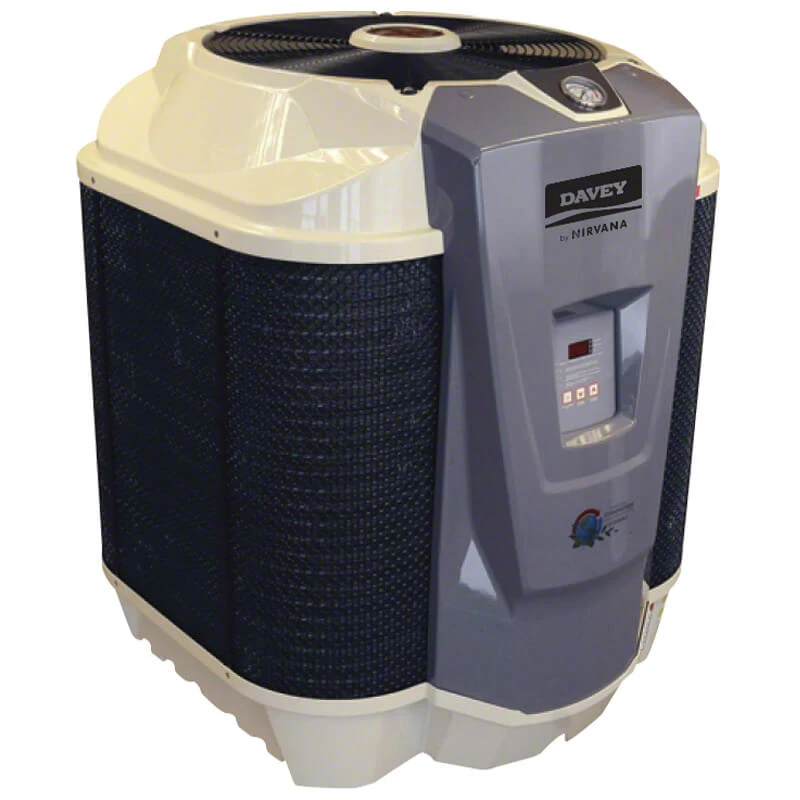
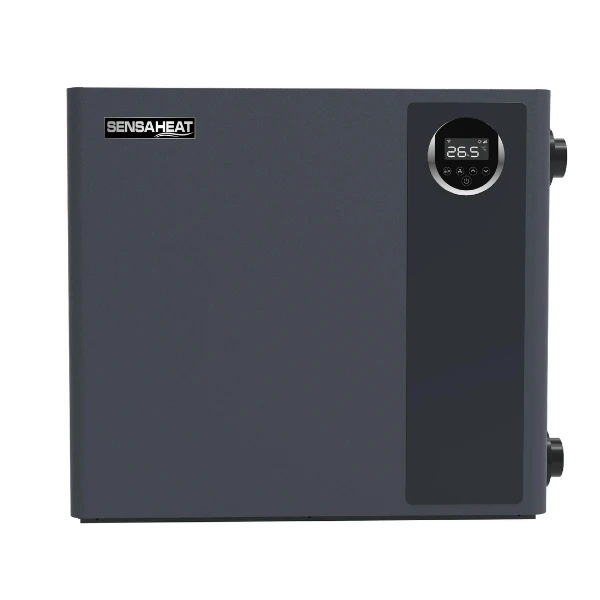
Heat pump pool heaters deliver solid value for most pool owners — that’s the simple truth. We’ve covered the numbers: 300-700% efficiency ratings and potential annual savings of up to AUD $1,500–$3,000 compared to gas heating methods.
Yes, the upfront cost catches your attention initially. But here’s what matters: most units pay for themselves within 3-5 years and keep running reliably for up to two decades. Modern inverter technology makes this even better if you swim frequently.
Heat pumps aren’t perfect. They heat pools more slowly than gas heaters and struggle a bit more when temperatures drop. But if you want steady warmth without energy bills that shock you each month, these minor drawbacks become less important.
Your specific circumstances will guide your choice. Pool size, local climate, how often you swim, and your budget all play a role. Most pool owners find the combination of efficiency, longevity, and reasonable running costs makes heat pumps their best option.
Remember to size your unit properly and consider your local weather patterns before purchasing. We created a pool heat pump buyer’s guide and Heat Pump Calculator to help you find the most suitable make and brand for your needs.
FAQs
How much does it cost to run a heat pump pool heater?
Heat pump pool heaters are relatively inexpensive to operate. Monthly costs typically range from AUD $76 to $229, which is significantly less than gas heaters that can cost AUD $200 to $400+ per month. The exact cost depends on factors like pool size and local electricity rates.
Do heat pump pool heaters work effectively in cold weather?
What are the main drawbacks of heat pump pool heaters?
How long do heat pump pool heaters typically last?
Are heat pump pool heaters worth the investment?

Best Pool Supplies is backed by a team of pool care enthusiasts with experience in maintenance, equipment, and everyday pool ownership. They’re dedicated to sharing clear, practical advice to help customers look after their pools with confidence.