


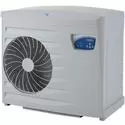






Finding the right pool heat pump doesn’t need to be complicated. We understand you want to extend your swimming season while keeping energy costs reasonable — and you can achieve both with the right choice.
- Size matters most: Use a pool heat pump calculator to determine proper sizing - undersized units struggle constantly, while correctly sized pumps deliver optimal performance without energy waste.
- Heat pumps are 5-10x more efficient than gas heaters: They transfer existing heat from air to water rather than burning fuel, costing $250-$750 annually versus $500-$1,500 for gas systems.
- Pool covers are essential: Without a cover, you lose 70% of heat through evaporation - a quality cover can boost temperature by 3-5°C and cut heating time in half.
- Inverter models offer superior efficiency: These variable-speed units adjust power based on demand, running quieter and lasting longer than fixed-speed alternatives.
- Proper installation ensures longevity: Install after filtration systems, maintain 300-500mm clearance around the unit, and use dedicated electrical circuits for a 10-20 year lifespan.
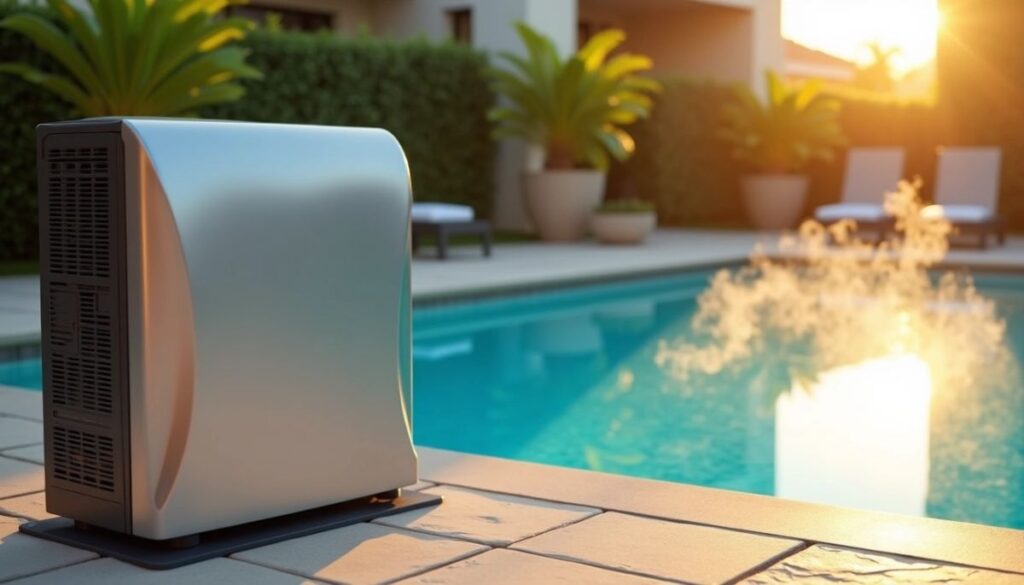
Pool heat pumps work differently from other heating options. They pull heat from the surrounding air and transfer it to your pool water. This approach uses far less energy than gas heaters while delivering steadier heat than solar systems.
Your perfect heat pump depends on a few key factors: pool size, local weather patterns, budget, and how warm you prefer your water. We’ll help you sort through these considerations so you can choose confidently and start enjoying longer swim seasons.
Table of Contents
ToggleWhy Choose a Pool Heat Pump?
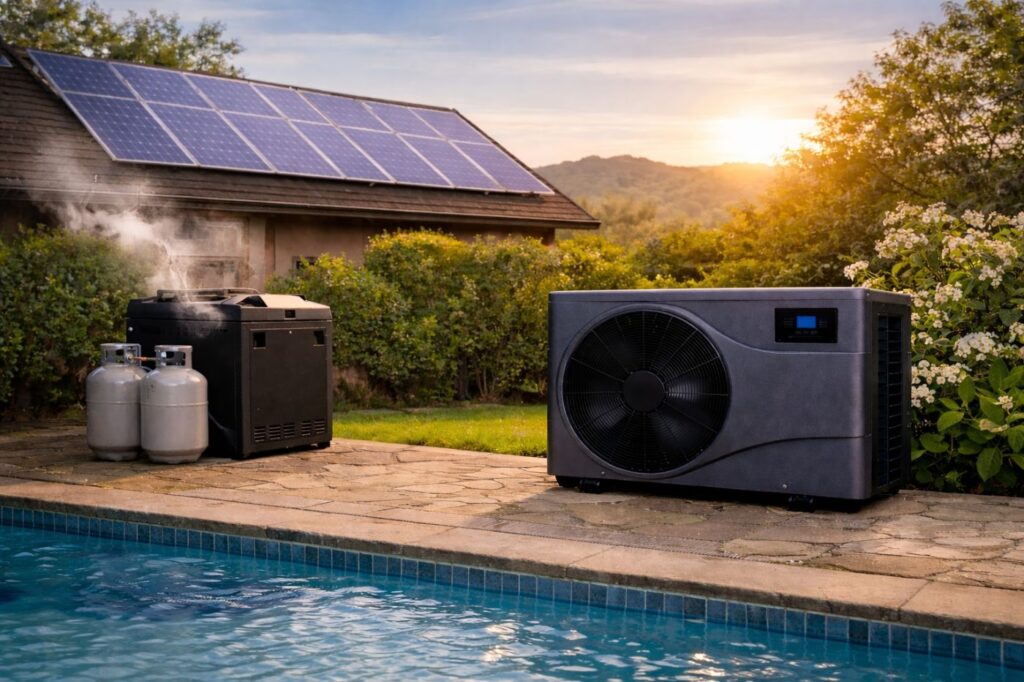
Heat pumps have earned their popularity through solid performance and reliable efficiency. You get more consistent heating than solar systems and spend far less on energy than gas heaters.
Energy efficiency vs. gas and solar systems
Heat pumps work smarter, not harder. While gas heaters burn fuel directly, heat pumps simply move existing heat from the air into your pool water.
The numbers tell the story clearly. Heat pumps deliver 5 to 10 times more heat than the electricity they use, while gas heaters only convert about 75% of their fuel into useful heat. This means you’ll typically spend $250-$750 annually running a heat pump versus $500-$1,500 for gas heating.
Heat pumps work smarter, not harder
The cost difference grows over time. Most heat pumps run reliably for 10-20 years, with some lasting nearly 30 years when maintained properly. Gas heaters usually need replacement after 5-10 years due to corrosion or burner problems.
Solar heating sits somewhere in the middle. Free energy from the sun sounds appealing, but solar only works during daylight hours. The panels typically last 10-15 years before sun damage takes its toll, and birds occasionally damage the collectors.
Advantages of using pool heat pumps
Heat pumps offer benefits that go beyond just efficiency:
- Steady temperatures: Your water stays consistently warm day and night, unlike solar heating, which depends on sunshine
- Clean operation: No emissions at your home — better for your family and the environment
- Simple maintenance: Set your temperature and let the system handle the rest
- Extended seasons: They work efficiently in mild weather, giving you months more swimming time
- Solar panel compatibility: If you have rooftop solar, run your heat pump during sunny hours using your own electricity
You’ll appreciate the reliability most. Set your desired temperature once, and the heat pump automatically maintains it without constant fiddling or monitoring.
How does a heat pump pool heater work?
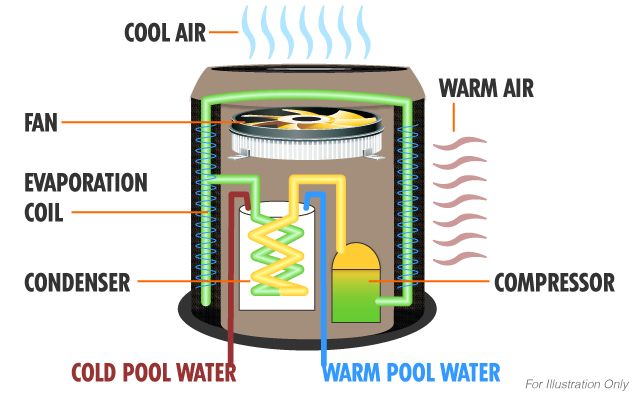
The process is simple but clever. A fan pulls warm air over coils filled with refrigerant. This refrigerant absorbs heat from the air and turns into a gas.
The compressor then squeezes this gas, making it much hotter. This super-heated gas flows through a heat exchanger where your pool water circulates. The gas releases its heat to warm your water, then cools back into liquid form to start the cycle again.
This works even when the air feels cool — though warmer conditions make everything more efficient. Quality units use titanium heat exchangers that resist damage from pool chemicals, helping explain why they last so long.
Most manufacturers show their confidence with solid warranties: typically 10 years on heat exchangers and 5 years on compressors, with premium brands offering even longer protection.
Types of Pool Heat Pumps Explained
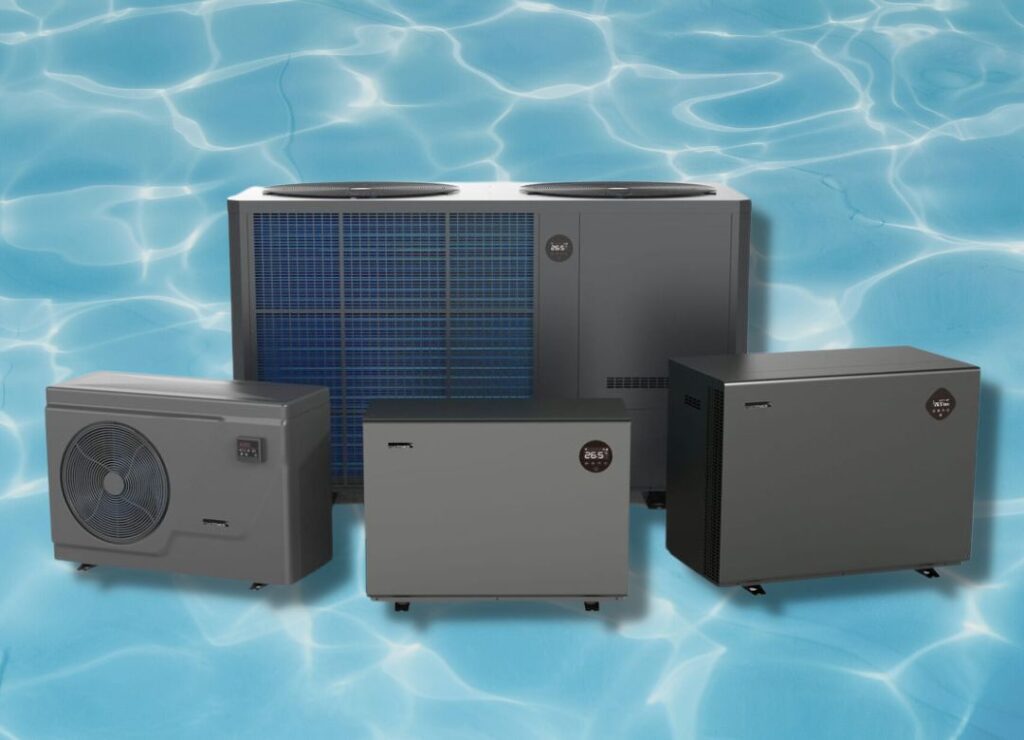
Different heat pump types suit different pools and budgets. Here’s what you need to know about each option to make the right choice.
These are the standard workhorses you’ll see most often. Air-source heat pumps pull heat from the surrounding air and work reliably in most Australian conditions.
They perform well in temperatures above 10°C — perfect for spring and autumn swimming. Humid weather actually helps them work more efficiently since moist air carries extra heat energy.
Standard air-source units run at fixed speed. They’re either on at full power or completely off. While dependable, this on-off cycling can use more energy during startup.
Inverter models adjust their speed based on what your pool needs. Instead of full power or nothing, they ramp up gradually and cruise at lower speeds when less heating is required.
This flexibility means better efficiency and quieter operation. You’ll pay more upfront, but the energy savings usually cover the extra cost. Plus, less stress on the compressor means they often last longer.
These smart systems combine heat pump technology with solar heating. Solar collectors warm the water first, then the heat pump finishes the job — using less electricity, especially on sunny days.
Some models automatically choose the most efficient heating method based on weather conditions. You get maximum efficiency without thinking about it.
Best pool heat pumps in Australia
These companies offer solid warranties and local support when you need it. Stick with proven brands like:
- Madimack
- Sensa-Heat
- Pentair
- EvoHeat
- Davey
- Waterco
- Zodiac
- Astral
- Toyesi
- SpaNet
Look for titanium heat exchangers that resist pool chemical damage. Decent warranties start at 3-5 years on the compressor. Premium brands might offer 15-25 year coverage — showing real confidence in their products.
Coastal properties need extra corrosion protection. Cooler regions require units rated for lower temperatures.
Calculate your pool volume and consider your local climate before choosing any specific model.
Browse our electric pool heat pumps to find a model that suits your pool and budget.
What to Consider Before Buying
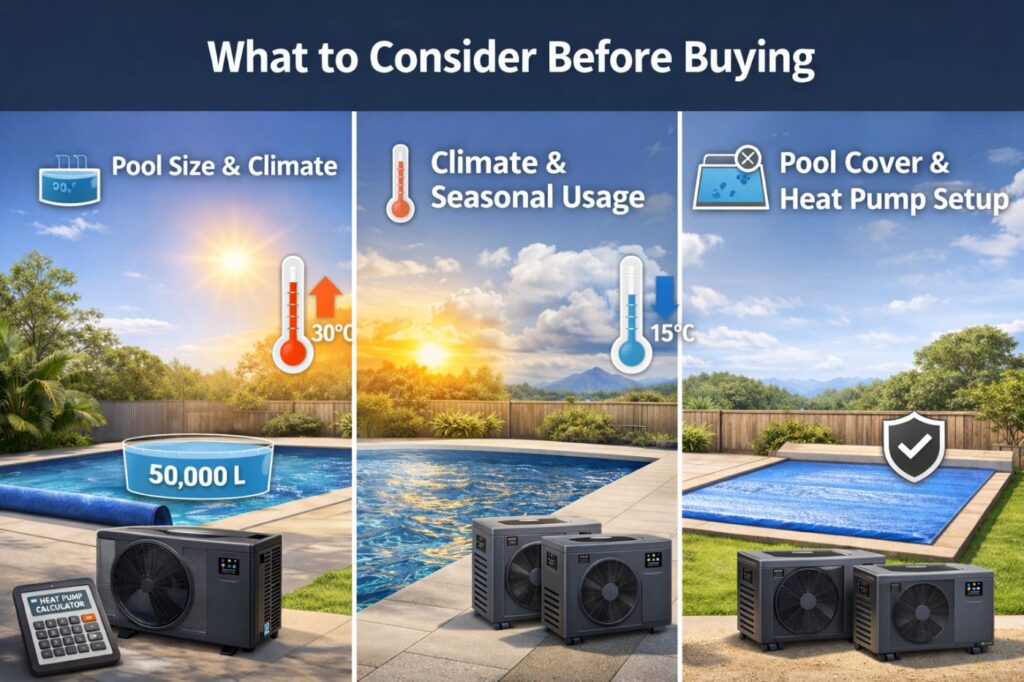
Getting the right heat pump starts with understanding your specific situation. A few minutes spent on these key considerations will save you from costly mistakes and ensure you get a unit that actually meets your needs.
What size heat pump for my pool?
Start with your pool volume in litres — this forms the foundation for proper sizing. Next, think about how much you want to raise the temperature. Planning to swim through winter means you’ll need extra heating power to overcome those chilly starting temperatures.
Start with your pool volume in litres
Your location matters more than you might expect. Heat pumps in warmer coastal areas capture more energy from ambient air, while cooler regions need larger units to do the same job. Resist the temptation to save money with an undersized unit — it’ll struggle constantly and may never reach your target temperature.
Here’s something interesting: slightly oversized heat pumps often prove more economical over time. They heat faster and cycle off more frequently, which can actually reduce running costs despite their higher capacity.
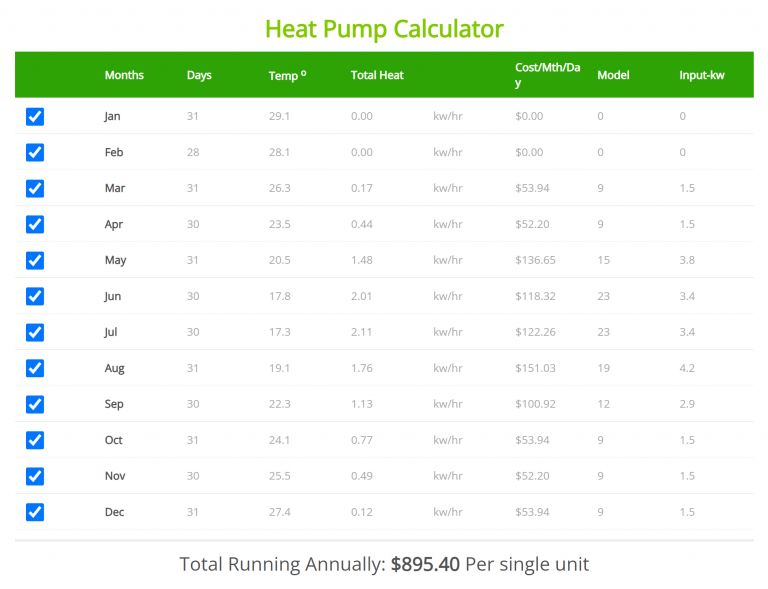
Use our Pool Heat Pump Calculator to get the right size the first time.
Climate and seasonal usage
Heat pumps love mild, humid conditions — perfect for most Australian climates. On warm 30°C days, your unit will work faster and more efficiently than during cool 15°C evenings.
Run your heat pump during the warmest daylight hours for maximum efficiency. This works particularly well if you have solar panels, letting you power the unit with your own electricity.
Heat pumps love mild, humid conditions
Expect a properly sized heat pump to raise a 50,000-litre pool by 0.5-1°C per hour under good conditions. That translates to roughly 13-20 hours for a 10°C temperature rise, depending on your pool size and unit capacity.
Pool cover compatibility and benefits
You absolutely need a pool cover for efficient operation. Without one, you’re litreally heating the sky through evaporation — which accounts for up to 70% of heat loss.
Solar bubble covers cost $100-$500 and work well for most residential pools. They let solar energy through while preventing overnight heat loss. Many pool owners see 3-5°C temperature gains after just a few sunny days.
You absolutely need a pool cover for efficient operation
Thermal foam blankets offer better durability — lasting 8-10 years versus 5 years for bubble covers — plus excellent heat retention. Vinyl covers with foam cores provide another premium option, especially useful for indoor pools.
Using any cover during initial heating can cut your heating time by 50% or more.
Can I run more than one heat pump at a time?
Absolutely. Large residential or commercial pools sometimes need multiple heat pumps working together. This setup also provides backup — if one unit needs service, you still have heating from the others.
Most residential pools do fine with a single properly sized heat pump. The multi-unit approach mainly helps with phased upgrades or unusual heating demands.
Absolutely
How to plumb a pool heat pump
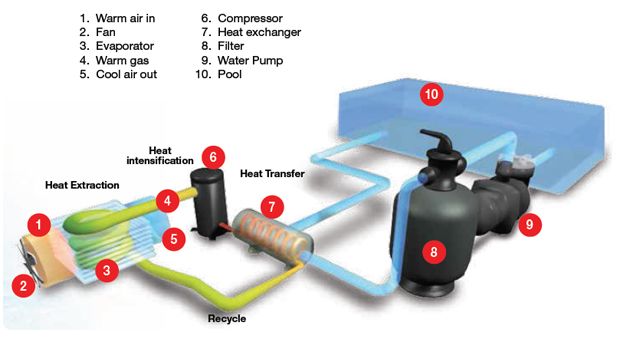
Getting your heat pump installed correctly makes all the difference for performance and longevity. A proper setup saves you trouble and repair costs later.
Water flow matters more than you might think. Your heat pump needs steady water circulation to work properly. Always install the heat pump after your filter and chlorination systems. The correct order is: pump → filter → heater → return to pool.
Keep your filter and baskets clean. When your sand filter or cartridge gets clogged, water flow drops and your heat pump’s safety features kick in to protect the unit. Stick with the same pipe size as your current system — or go larger if needed.
1.
The Right Location
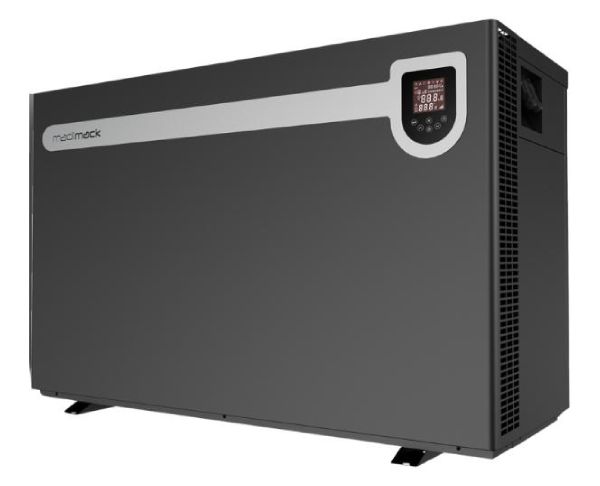
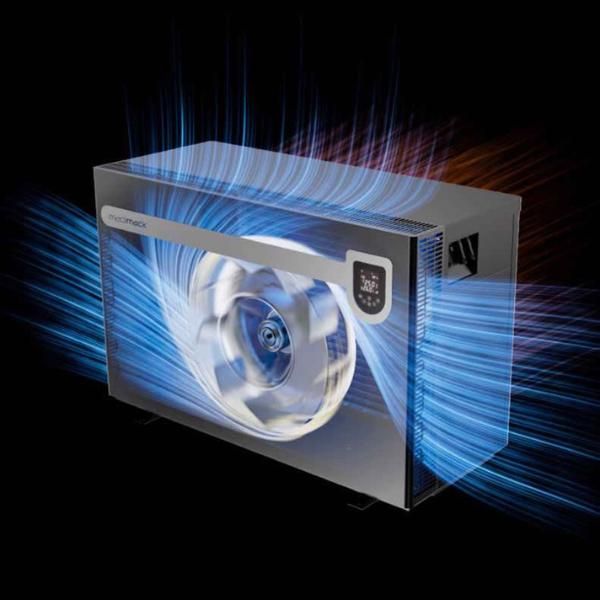
To work to its optimal capacity, your pool heat pump has to have excellent airflow. It needs to be away from obstructions so that the expelled air is not sucked back into and recirculated by the unit. Ideally, locate it outdoors, so it has an endless supply of fresh air to extract heat. Check whether your swimming pool heat pump has a vertical or horizontal fan, as this will potentially affect where to install it.
2.
Water Flow Rate
You must have the required water flow rate for your pool heat pump to work efficiently. If it is lower than indicated by the manufacturer, the pump will switch off because the water inside it will overheat.
3.
Installation Base
Pool heat pumps need a solid and level base – ideally, concrete, timber decking, or paving slabs that are stabilised in sand. The pool heater can either be placed above or below water level as long as the pool circulation pump has the power to supply the needed water flow rate for optimal performance.
4.
Electricity
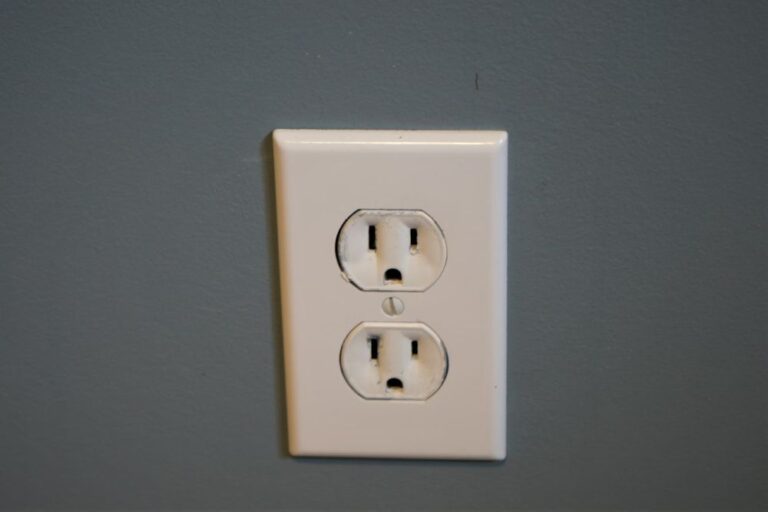
It is essential you check that your electrical current can support both the startup and running currents before you purchase a pool heater. Generally, you install a dedicated cable between your heat pump’s electrical consumer unit and a breaker dedicated to the heat pump.
It is usually recommended to run a dedicated cable back to your electrical consumer unit for the heat pump and install a dedicated breaker for the heat pump. Heat pumps need more electrical current on startup, but this is minimal and lasts only a millisecond before returning to your pump’s regular running current.
5.
Plumbing
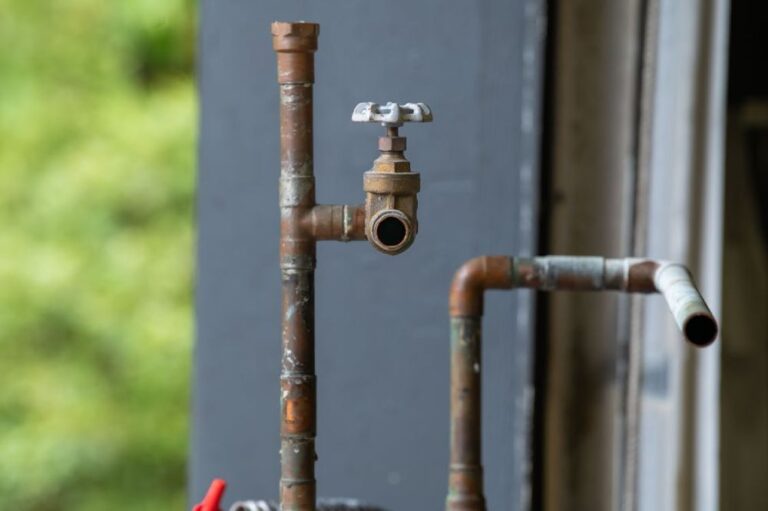
Depending on the size of your pipes, it should be straightforward to add your swimming pool heat pump to the pool pipework you already have in place. If you have a heater or boiler already installed, unless it doesn’t work, you can leave it in place and add the pool heat pump in line with it. This allows you to use both together if you want to heat your pool quickly.
Troubleshoot your heat pump pool heater installation
If you are thinking of installing your heat pump yourself, here are a few important tips about location and what to avoid to prevent ongoing issues:
Your Garden Sprinkler System
If you have a sprinkler system installed in your garden near your pool, you need to ensure that any water spray from it cannot reach your pool heater pump as it can cause damage to the heater components.
Your Home's Gutters
One thing you may not think of is runoff from your gutters. You must ensure that it will not cascade directly into your heat pump pool heater because it will cause damage over time. Rainfall is okay, but a solid stream from your gutters can eventually cause damage to your pump components.
Spacing Guidelines for Installation
Ensure a minimum of 80 cm distance between your heat pump and any obstruction. Ensure there is around a 150 cm distance between the top of your pump and any objects like overhangs and branches. Allow a minimum of 30 cm between the sides of your pump and any object.
Positioning caution
Don’t squeeze the unit into tight spaces where it recycles its own cold air. Poor airflow actually makes the compressor work harder and can cause overheating. Leave room to access maintenance panels when needed.
To What Temperature Should I Heat My Swimming Pool
Ideally, the best swimming pool temperature is between 24C and 28C. This range accounts for swimming and relaxing in your pool while feeling refreshed even when the weather is scorching.
Running constantly?
Your heat pump should run until it reaches your set temperature, then cycle on and off to maintain it. If it runs constantly, you likely have an undersized unit or significant heat loss happening somewhere.
Shutting off?
Most installation hiccups have straightforward fixes. If your unit keeps shutting off, check the water flow first. Make sure garden sprinklers aren’t hitting the unit — water spray causes the evaporator coils to corrode faster than normal.
Maximising Heat Pump Performance and Lifespan
A few simple habits will keep your heat pump running smoothly for years. We’ve seen well-maintained units last decades with just basic care.
Pool covers make all the difference
You’ll want a pool cover — it’s the single most important thing you can do for efficiency. Without one, 70% of your heat escapes through evaporation. That’s like leaving your front door open while running the air conditioner.
Solar bubble covers work well for most people and cost $100-$500. They’ll boost your water temperature by 3-5°C on sunny days while stopping heat loss overnight. Thermal foam blankets cost more upfront but last longer — around 8-10 years versus 5 years for bubble covers.
Simple maintenance keeps costs down
Your heat pump doesn’t need much attention, but these basics help:
- Rinse the coils gently when they look dusty
- Keep plants trimmed back so air flows freely
- Check that nothing’s blocking the fan
- Watch for rust if you’re near the coast
When to consider replacing your unit
Most heat pumps last 15-20 years. Some keep going for nearly 30 years with good care. Start thinking about replacement when repair bills add up or when you see newer models with features you’d actually use.
What to look for in warranties
Solid manufacturers stand behind their products. Look for 10-year coverage on heat exchangers and 5 years on compressors at a minimum. The best brands offer longer warranties because they’re confident their units will last.
Find Your Next Pool Heat Pump with Best Pool Supplies
Your pool heat pump choice really comes down to matching your needs with what works long-term. We’ve covered the key points — heat pumps beat gas and solar for reliability and running costs, sizing matters more than anything else, and a good cover makes a huge difference.
Best Pool Supplies makes it easy to get this right the first time. Start by using our Pool Heat Pump Calculator to work out the correct size for your pool, then browse our range of electric pool heat pumps to compare trusted brands and capacities.
If you’d rather talk it through, our team is happy to help. We’ll give you clear, practical advice based on your pool size, location, and how you plan to use your pool — no guesswork, no upselling.
👉 Use the Pool Heat Pump Calculator
👉 Browse Pool Heat Pumps
👉 Speak to the Best Pool Supplies team for personalised advice
FAQs
How do pool heat pumps compare to gas and solar heating systems?
Pool heat pumps are generally more energy-efficient than gas heaters and more consistent than solar systems. They can reach efficiency levels of 5 to 10 times the electricity they consume, while gas heaters have a thermal efficiency of only about 0.75. Heat pumps typically cost $250-$750 annually to operate, compared to $500-$1,500 for gas systems.
What size heat pump do I need for my swimming pool?
The right size heat pump depends on your pool volume, desired temperature rise, and local climate. Calculate your pool volume in litres, consider your desired temperature increase, and factor in your location’s climate. Slightly oversized heat pumps can be more economical long-term as they heat faster and cycle off more frequently.
Are pool covers necessary when using a heat pump?
Yes, pool covers are essential for efficient heat pump operation. Without a cover, up to 70% of pool heat is lost through evaporation. A quality solar bubble cover can increase water temperature by 3-5°C on sunny days and significantly reduce overnight heat loss, improving heating time by up to 50%.
What are the advantages of inverter heat pumps?
Inverter heat pumps can adjust their operating speed based on heating demands, making them more efficient than standard models. They use less electricity, run more quietly, and typically have a longer lifespan due to reduced stress on the compressor from constant stopping and starting.
How long do pool heat pumps typically last?
Quality pool heat pumps can last 10-20 years on average, with some reaching close to 30 years with proper maintenance. This is significantly longer than gas heaters (5-10 years) or solar systems (10-15 years). Regular maintenance and proper installation can help maximise the lifespan of your heat pump.

Best Pool Supplies is backed by a team of pool care enthusiasts with experience in maintenance, equipment, and everyday pool ownership. They’re dedicated to sharing clear, practical advice to help customers look after their pools with confidence.