








Above ground pools present unique heating challenges because of how they’re built, but you have several practical options that won’t send your energy bills through the roof.
Whether you’re looking at simple solar covers or considering more advanced heating systems, there are many ways to keep the temperature comfortable.
We’ll walk you through proven methods that actually deliver results for your above ground pool. Rather than guessing which approach might work, we’ll cover the techniques that help you make the right choice — one that balances good performance with keeping your wallet happy.
- Solar covers provide the biggest bang for your buck - costing $100-200 upfront with zero operating costs while preventing up to 70% of heat loss through evaporation.
- Combining methods beats single solutions - pairing a heat pump with solar cover can reduce operating costs by 50% compared to using the pump alone.
- Above-ground pools lose heat faster than in-ground pools due to exposed walls and smaller water volume, making heat retention as important as heat generation.
- Start small and upgrade gradually - begin with a quality solar blanket for immediate results, then add methods like liquid covers or heat pumps as budget allows.
- Layer complementary techniques for maximum efficiency - different methods address different heat loss points, creating a comprehensive system that both generates and preserves warmth.
Table of Contents
ToggleWhy Above-Ground Pools Are Harder to Keep Warm
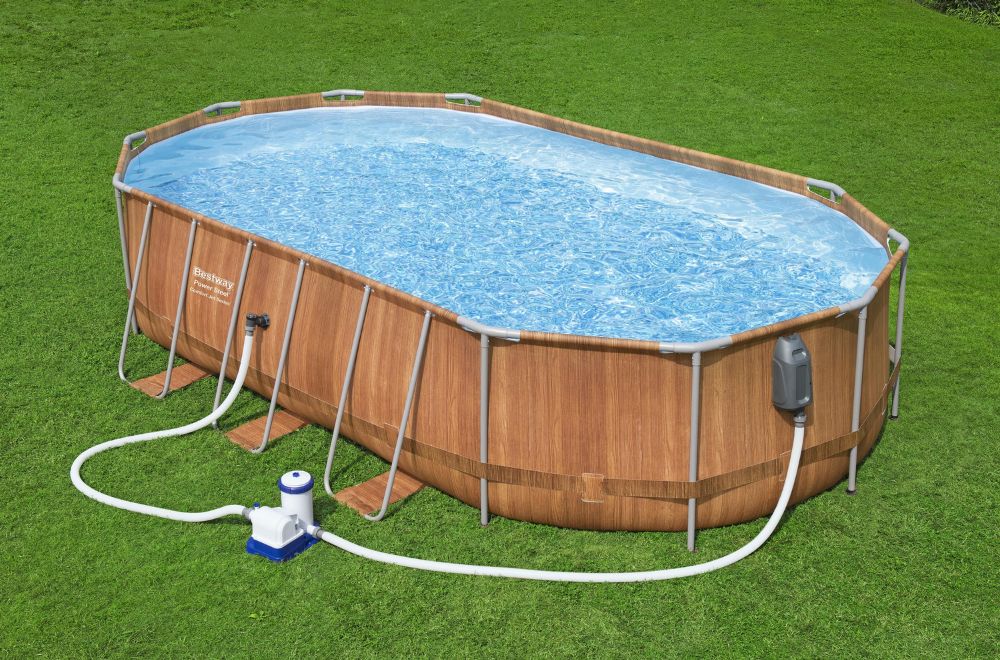

Above-ground pools face specific heating challenges that in-ground pools simply don’t deal with. Understanding these differences helps you pick the right heating approach for your situation.
Exposed Walls = Faster Cooling
Your above-ground pool’s walls are completely exposed to the air, while in-ground pools benefit from natural insulation from the surrounding earth. This exposure means heat escapes quickly through those walls — especially when it’s windy or during cool nights.
Think of your pool walls as heat exchangers working against you. They constantly move warmth from your water to the outside air. The bigger the temperature difference between your water and the air, the faster you lose that heat.
You might heat your pool perfectly during the day, only to find it’s dropped several degrees by morning. This happens because those walls stay exposed to cooler nighttime air. Spring and fall make this even more noticeable when temperatures drop significantly after sunset.
Smaller Volume, Bigger Temperature Swings
Most above-ground pools hold less water than their in-ground cousins. While this means less water to heat up initially, it also means your temperature changes happen much faster.
Picture heating a small pot versus a large pot on your stove — the small one heats up quickly but also cools down quickly. Your pool works the same way. Less water means faster warm-ups, but it also means faster cool-downs once you stop heating.
When you add cool water from rain or topping off, it has a bigger impact on your overall temperature because there’s less total water to absorb that change.
What This Means for Heating
These challenges point to some practical heating strategies:
Heat retention matters as much as heat generation – Since heat escapes easily, trapping what you have (with covers) becomes just as important as making new heat.
Steady heating beats occasional heating – Because your pool cools quickly, keeping a consistent temperature often works better than repeatedly heating cold water.
Multiple methods work better than single solutions – Combining different heating approaches tackles these challenges from several angles, giving you better results than relying on just one method.
Adjust for the weather – Since above-ground pools respond quickly to weather changes, adapting your heating plan based on forecasts can save you both time and money.
These basic challenges explain why some heating solutions work better than others for above-ground pools, and why many pool owners get the best results by combining methods.
Best Heating Options for Above-Ground Pools
You have several solid choices when it comes to heating your above-ground pool, each with different price points and benefits. We’ll break down your options from most budget-friendly to higher investment solutions, so you can pick what fits your needs.
Solar covers and DIY hacks
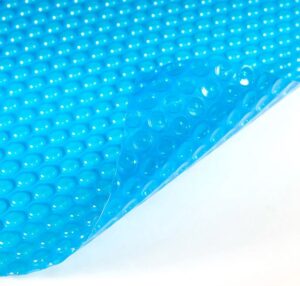
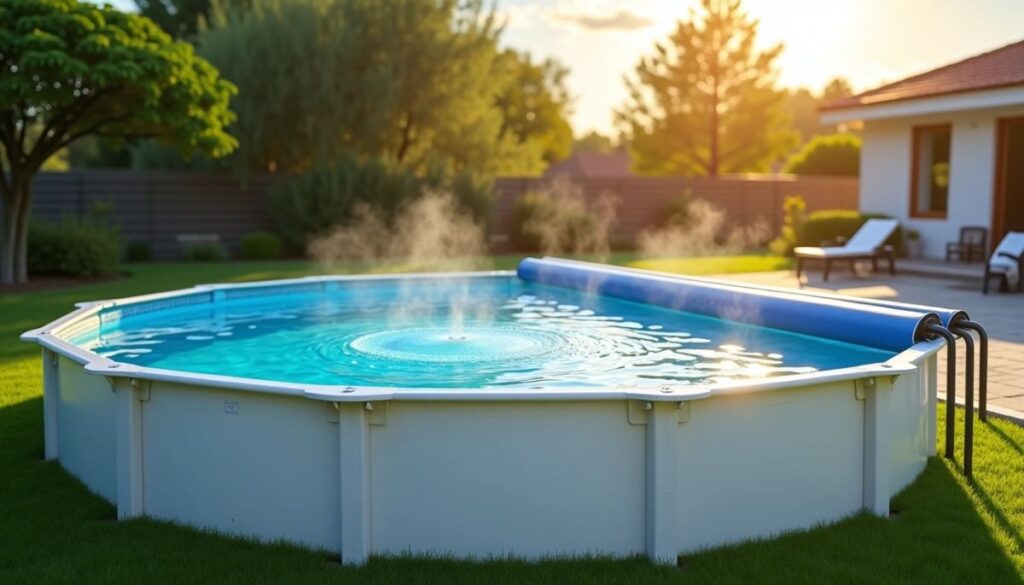
Solar covers — sometimes called solar blankets — give you the most heating power for your dollar. Here’s how they help:
- They soak up the sun’s energy and pass it directly to your pool water
- They stop evaporation, which is where you lose up to 70% of your pool’s heat
- They work like a greenhouse, keeping warmth in even after dark
If you like tinkering around, there are some simple DIY approaches worth trying. Black garbage bags laid across your pool surface work as basic solar collectors. You can also coil a black garden hose in a sunny spot to warm water before it goes into your pool. These homemade solutions won’t match commercial products, but they cost almost nothing to try.
Check out our related blog: Solar Pool Covers – How They Work, The Benefits & How To Choose One.
Liquid solar covers and solar mats
Liquid solar covers create an invisible film on your water that cuts down on evaporation while still letting you swim normally. Just add the recommended amount each week—you won’t see it, but it quietly helps trap heat.
Solar heating mats step things up a notch from basic covers. They hook into your filter system and run pool water through tubes that sit in the sun, warming it up before sending it back to your pool. Most solar mats can bump your water temperature up by 5-10°C when you have decent sunshine.
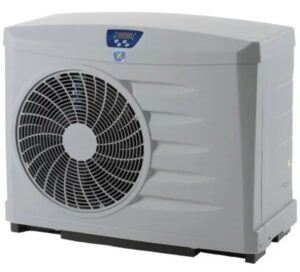

Electric heat pumps
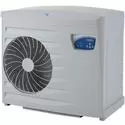
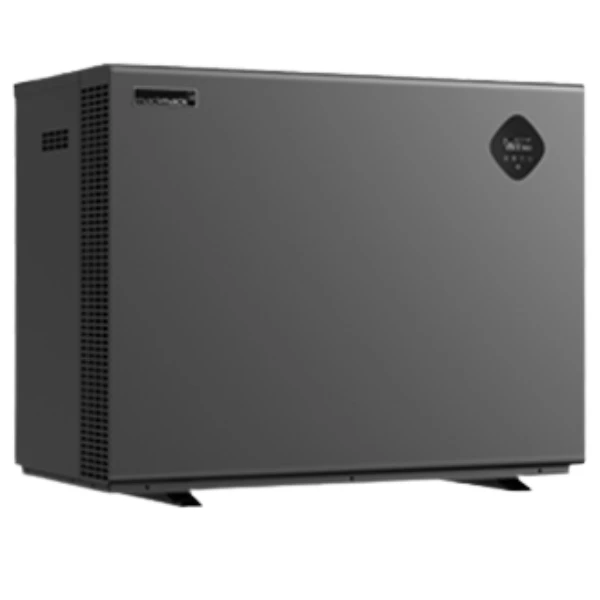
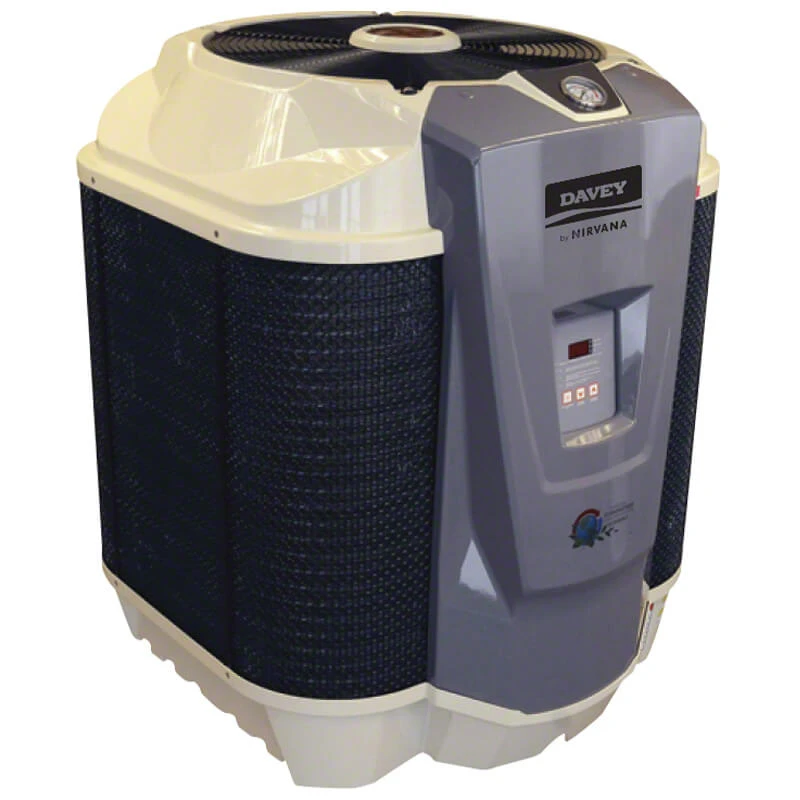
When you want reliable heating no matter what the weather’s doing, electric heat pumps are your best bet. They work like air conditioners in reverse—pulling warmth from the air around them and moving it into your pool water. Today’s models are pretty efficient, giving you about 5-6 units of heat for every unit of electricity they use.
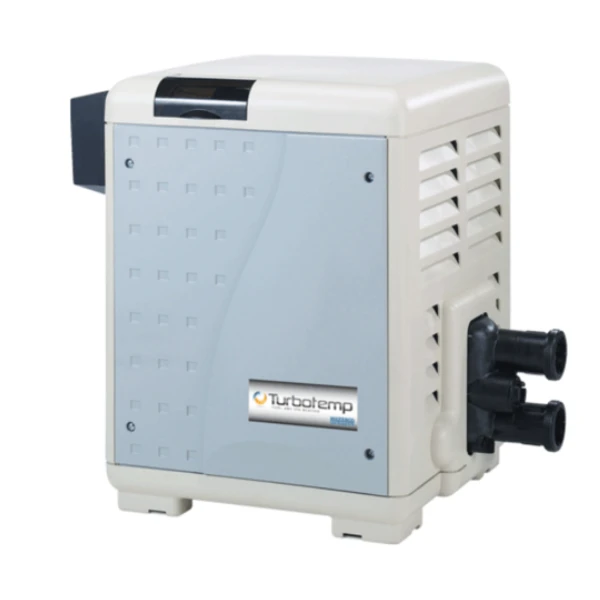
Pool heat pumps and pool heaters are the best way to lengthen your swimming season, or to even allow you to swim all year round. What makes them stand out is that they keep working whether it’s sunny or cloudy.
Browse our energy-efficient pool heat pumps to keep your above-ground pool warm and comfortable through more of the year.
Weighing upfront costs against long-term expenses
When you’re comparing options, think about both what you pay now and what you’ll spend later. Solar covers might cost you $100-200 upfront with basically no ongoing costs. Heat pumps need a bigger initial investment but give you more control and consistency over time.
Most pool owners find that mixing methods works best. A heat pump paired with a solar cover, for example, means the pump does the heavy lifting while the cover keeps that heat from escaping — cutting your operating costs in the process.
Combining Methods for Maximum Efficiency
Pool owners who get the best results use multiple heating methods together rather than relying on just one approach. This makes sense when you consider that heat escapes from your pool in different ways — through the surface, through those exposed walls, and during temperature swings.
Why layering methods work best
Different heating solutions tackle different problems. A solar cover stops evaporation while a heat pump generates consistent warmth. When you use them together, you’re covering more ground than either method could handle alone.
Think of it like weatherproofing your house — you wouldn’t just seal the windows and ignore the doors. Your pool needs the same comprehensive approach. The heat pump does the heavy lifting while the cover keeps that expensive heat from disappearing overnight.
Example combinations that save money
Here are combinations that actually work without emptying your wallet:
- Budget-friendly combo: Solar blanket + liquid solar cover – The blanket keeps heat in during cool nights, and the liquid cover reduces evaporation even when you’re swimming.
- Mid-range solution: Solar mats + solar blanket – The mats warm water during sunny days, then the blanket holds onto that warmth when the sun goes down.
- Premium performance: Heat pump + solar blanket – This pairing gives you reliable heating with serious efficiency. You can cut heat pump operating costs by up to 50% compared to running the pump without a cover.
Explore our full range of solar pool covers to lock in warmth and stop your above-ground pool from losing heat overnight.
When to upgrade or add new methods
Start with a good solar blanket — it’s the foundation that makes everything else work better.
Add other methods when:
- Your current setup isn’t giving you enough swimming days
- You’re spending too much on energy bills
- You want more control over your pool temperature
Most people find that a quality solar blanket delivers immediate results. From there, you can add methods gradually as your needs and budget allow.
Heat your Above Ground Pool with Best Pool Supplies
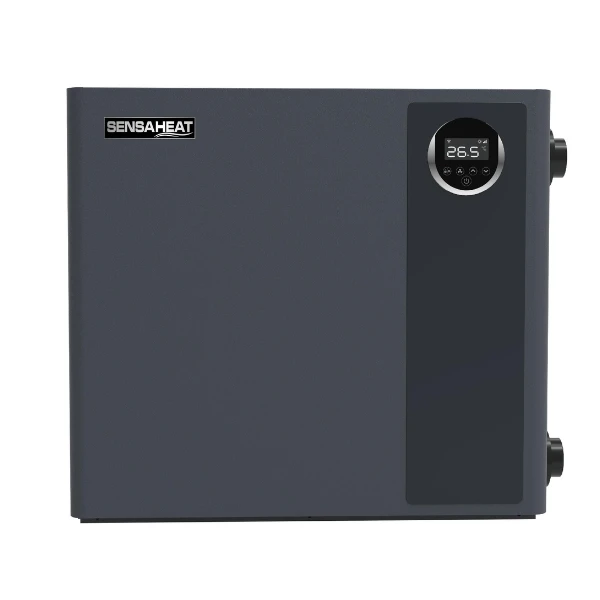
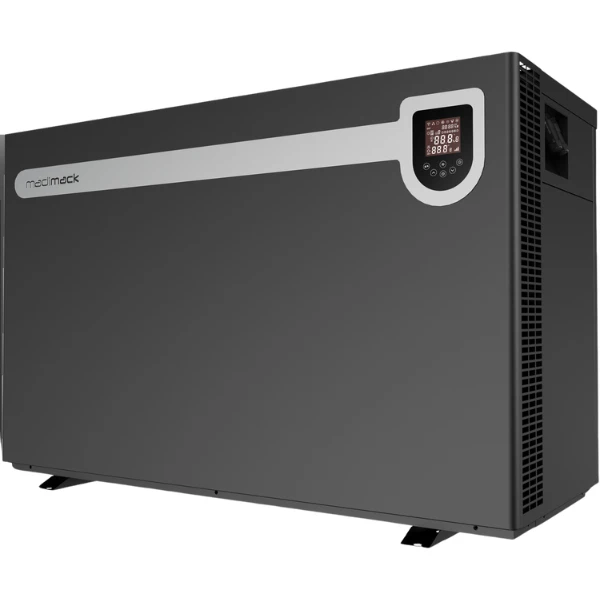
Heating your above-ground pool doesn’t need to be complicated or expensive. You have practical options that work well without stretching your budget.
A quality solar cover gives you immediate results and costs very little to maintain. Most pool owners see their swimming season extend by several weeks with this simple addition.
Combining methods often works better than putting all your money into one expensive solution. A solar blanket with a liquid solar cover, for instance, tackles heat loss from different directions while keeping your investment reasonable.
Your best approach depends on what matters most to you. Solar options deliver great value when budget is your main concern. Heat pumps paired with covers provide reliable warmth when you want consistent temperatures, regardless of the weather.
Ready to warm up your above-ground pool? Explore our full range of pool heat pumps and solar pool covers to find the right heating solution for your backyard.
FAQs
What is the most cost-effective method for heating an above-ground pool?
Solar covers are generally the most cost-effective option. They capture and retain the sun’s heat during the day while preventing heat loss at night, all with minimal upfront costs and no ongoing expenses.
What combination of above ground pool heating is cheapest?
Combining methods often yields the best results. Start with a solar cover and consider adding a liquid solar cover. This combination addresses heat loss from multiple angles while keeping costs low.
Are there any free ways to heat an above-ground pool?
While not entirely free, DIY methods like using black garbage bags as makeshift solar collectors or coiling black garden hose in sunny spots to pre-heat water are very low-cost options that can help raise water temperature.
What's the most efficient heating system for above-ground pools?
Electric heat pumps are highly efficient, especially when combined with a solar cover. They can maintain consistent temperatures regardless of weather conditions and have a high coefficient of performance, producing 5-6 units of heat per unit of electricity consumed.
How can I extend my swimming season in an above-ground pool?
Layering multiple heating methods is key. Start with a solar cover, add a liquid solar cover for daytime use, and consider solar mats or a heat pump for more consistent heating. This approach addresses various heat loss points and can significantly extend your swimming season.

Best Pool Supplies is backed by a team of pool care enthusiasts with experience in maintenance, equipment, and everyday pool ownership. They’re dedicated to sharing clear, practical advice to help customers look after their pools with confidence.